Tips for Break Bulk Cargo and Containers
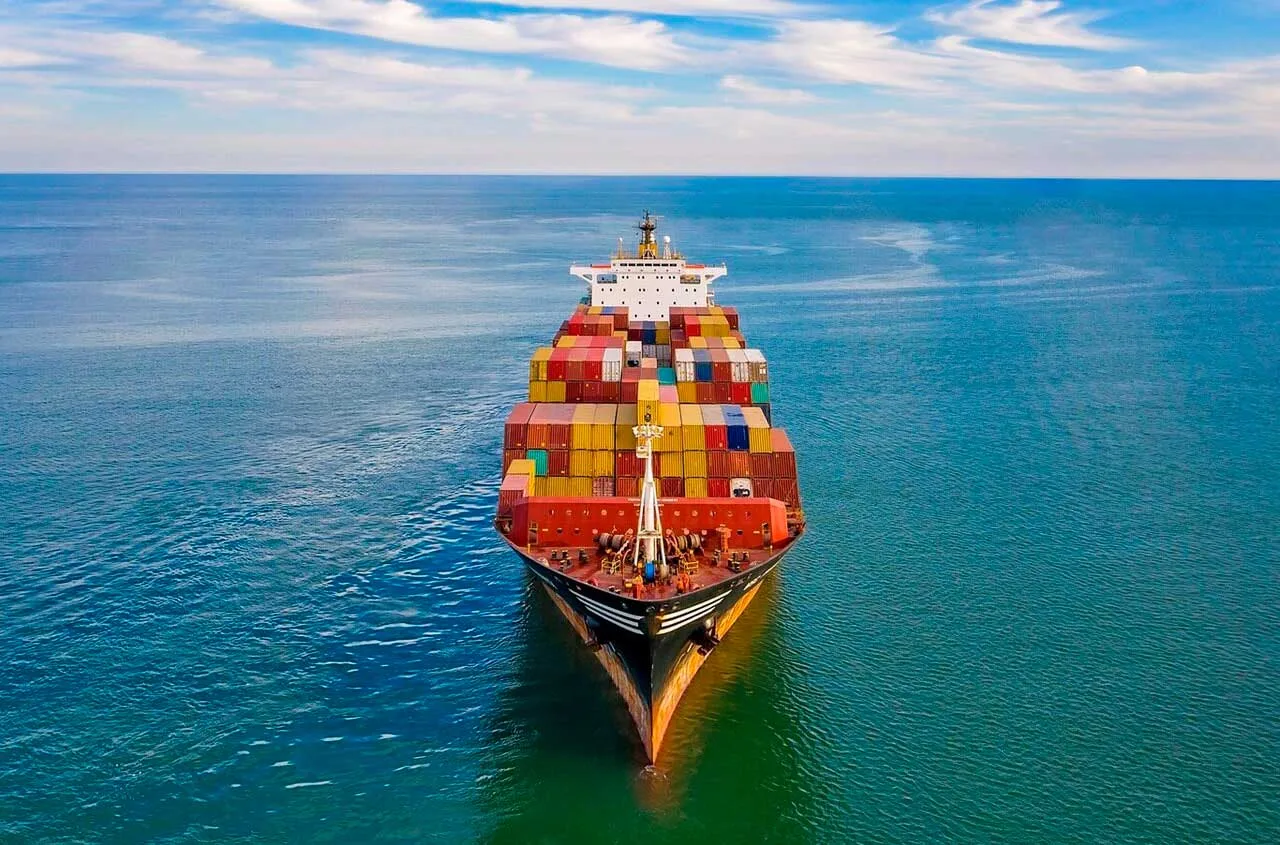
For a long time, break bulk was the most widely used way to transport goods. That changed with the arrival of containers in the 20th century, which today carry just over 90% of all cargo worldwide. The remaining 10% is too bulky and must be transported, entirely or partly, outside containers. One example is the large components that have to be moved for wind power.
It is a complex process that involves moving and securing the cargo, in which the carrier groups goods from different customers and has to handle, store, sort and pack the cargo to optimize the space in the means of transport.
With this transport method, large goods can be moved, such as construction equipment, machinery for the oil, mining or clean energy industries, pipes, engines or industrial machines, among others. It also covers the shipment of small items packed in boxes, barrels, crates or bags that are strapped to pallets to secure them.
The cargo carried in this type of shipment needs cutting-edge technology for loading and unloading, such as roll-on access or the use of cranes specialized in lifting very heavy loads, to optimize the process and make it faster and more efficient.
Tips for the cargo
This type of cargo has many advantages for shipping certain kinds of pieces, offering alternatives for transporting oversized goods. It is key to have a team of experts in moving large loads and to plan each case. The shipping process is handled by the transport company or shipping line, and everything must be prepared in advance to deal with contingencies without affecting the agreed delivery date. Here are some tips for this type of cargo:
- Have the necessary documentation specifying the dimensions of the cargo.
- Know the center of gravity of each piece.
- Have scale drawings.
- Study the lifting points and sling positions.
- Know the lashing points and the force they need.
- Hire staff specialized in break bulk.
- Have platforms that can bear the weight of the cargo.
- Choose the right packaging material.
- Define the modes of transport to be used on each leg of the shipment: ship, rail or road.
- For road transport, low-bed modular trucks are used.
- For rail transport, check that the destination country has a rail network.
- For ocean transport, semi-submersible ships, multipurpose vessels and barges are used.
- Draw up a contingency plan and track the cargo.
- Find a good carrier, especially if more shipments are planned.
One advantage of this type of shipment is that it is more environmentally efficient, since trips are reduced and the means of transport travels without empty space.
This sector has benefited from the state of international logistics and the growth of markets in recent years, an increase that was largely halted by the pandemic. The crisis affected production chains and manufacturing dropped, causing shortages of some essential goods such as fertilizers, chemicals and agricultural products. That gives the sector a great opportunity to grow by moving those kinds of products. Investment in renewable energy such as wind power increases the market opportunity for this sector, as shown by the strong turnout at Break Bulk Europe 2022. This type of cargo will become an important part of supply chains.
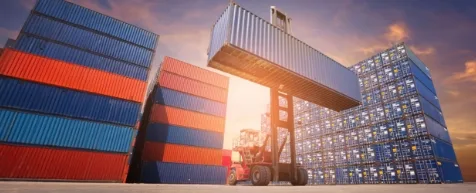 For everything that does fit in a box: see our 20 ft and 40 ft shipping containers.