Requirements for Returning Cargo Containers
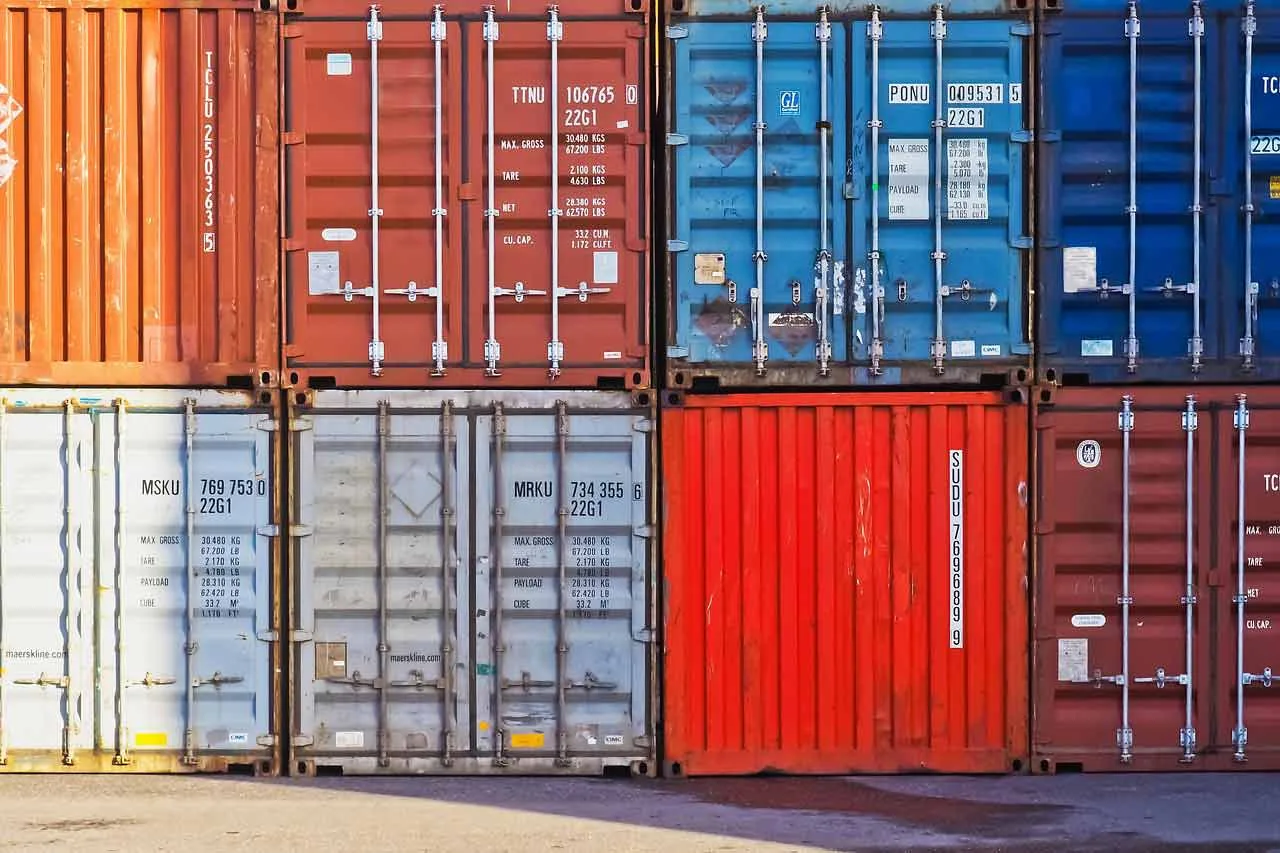
Cargo containers are fundamental to the supply chain in logistics and international trade. They are often used to move goods over long distances, and failing to return them can have serious financial and security consequences. This article describes the requirements for returning cargo containers, so they are managed correctly and unnecessary risks and costs are avoided.
What are cargo containers and why do they matter?
Cargo containers are structures made of metal or other materials, designed to carry goods inside. They transport a wide variety of products, from food and clothing to machinery and chemicals. Container standardization under ISO norms made it possible to build a global network for moving goods efficiently and safely.
Cargo containers matter because of their ability to protect products from damage and keep them secure in transit. They are also key to optimizing transport costs and logistics efficiency.
Why is it important to return cargo containers?
Failing to return cargo containers can have serious consequences. On the one hand, it can cause delays and extra costs in the supply chain, since the containers are not available to move other goods. Not returning containers by the agreed deadline also generates fines and demurrage or detention charges.
On the other hand, unreturned containers can also be a security risk. Containers can be used for illicit activities, such as smuggling goods, trafficking people or even moving weapons and drugs. It is therefore essential that containers are returned within the agreed deadline and conditions, to avoid possible legal consequences and to keep the transport of goods secure.
Requirements for returning cargo containers
To return cargo containers properly, certain requirements must be met. Below are the main aspects to keep in mind:
Required documentation
Have the right documentation ready for the return of the containers. It includes a cargo checklist, the bill of lading or waybill, the commercial invoice and any other document required for the return. Keep this documentation up to date and accurate to avoid any delay or error in the process.
Return conditions
Make sure the containers are in good condition for return. That includes cleaning the container and repairing any damage. It is also essential to meet the agreed return deadline to avoid detention charges.
Responsibilities and obligations
Know the responsibilities and obligations of each party involved in returning cargo containers. The lessee of the container must return it in the same condition it was received, except for normal wear and tear. The lessee is also liable for any damage or loss of the container and must meet the agreed return conditions.
The container owner, in turn, is responsible for providing a container in good condition, making sure the documentation is correct and giving the necessary instructions for proper use. The owner also has the right to receive the container back in the same condition it was delivered.
Transport
Make sure cargo containers are returned to the agreed place and on the agreed date. That means coordinating transport and logistics so the container is delivered at the right place and time. Also make sure the container is transported safely and properly to avoid any damage.
Conclusion
Cargo containers are fundamental to the supply chain and to international trade. Returning them properly is essential to guarantee efficiency and security in the transport of goods. To do so, meet the necessary requirements, including documentation, return conditions, responsibilities and obligations, and proper transport.
In short, to guarantee the proper return of cargo containers, follow a series of requirements and guidelines so the containers are delivered in good condition and by the agreed deadline. This matters not only for efficiency and security in the supply chain, but also to avoid unnecessary costs and risks. It is essential that every party involved in returning cargo containers works together to make the process as smooth and safe as possible.
 Tired of detention charges? Buy your own container. See our new and used units.