Structural Design and Strength of Foldable Containers
Foldable shipping containers have revolutionized the world of freight transport in recent years, and their use has spread widely across many markets.
These versatile, functional structures have gained popularity thanks to their advanced structural design, strength and load capacity. In this article we explore in detail the structural design of foldable containers, their applications across industries and the advantages they offer compared with conventional containers.
Structural design of foldable containers
The structural design of foldable containers is a combination of engineering and spatial efficiency. These containers are built from durable, resistant materials such as high-quality steel, which guarantees the stability and safety of the cargo during transport. They are also designed to withstand adverse weather conditions, such as strong winds and rain, keeping the cargo inside protected.
Foldable containers are made up of wall panels, reinforcements and corner fittings, and doors and locks. The wall panels are designed to bear heavy loads and provide structural strength. The reinforcements and corner fittings add rigidity and prevent deformation during handling and transport. The doors and locks ensure an airtight seal and extra protection against theft and environmental factors.
Strength and load capacity of foldable containers
Foldable containers undergo rigorous strength and load capacity tests to guarantee optimal performance. These include static and dynamic load tests, as well as fatigue tests that simulate the real conditions they will face in transit. Foldable containers are designed to bear heavy loads and distribute them evenly, which guarantees the safety of the cargo and the structural integrity of the container.
In terms of load capacity, foldable containers are similar to conventional shipping containers. They can be adapted to different sizes and dimensions, which allows a wide variety of goods to be loaded. Their foldable design also makes them easy to stack when empty, optimizing space and reducing the cost of storage and of the return trip.
Applications of foldable shipping containers
Foldable containers have a wide range of applications across different industries. In logistics and freight transport, they offer an efficient, cost-effective solution. Their load capacity and flexible design make them an ideal choice for shipping products of every kind, from food and chemicals to construction materials and consumer goods.
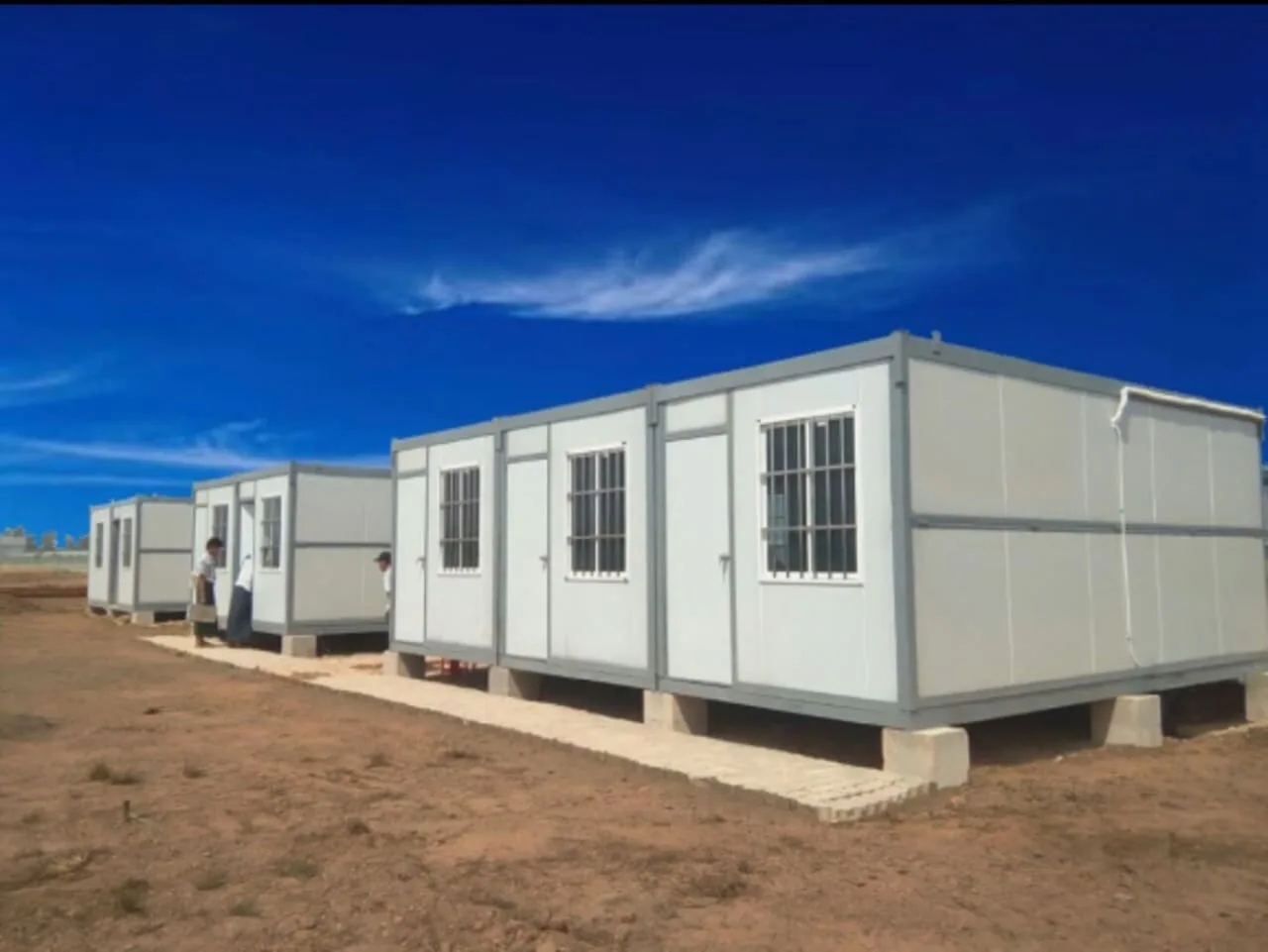
Foldable containers are also used in the construction industry. Their modular design and ease of transport and assembly make them a convenient option for temporary structures, such as mobile offices, showrooms and temporary housing. In Colombia, foldable containers have been used for infrastructure projects in remote areas where traditional construction can be difficult or expensive. These modular structures offer flexibility and adaptability, allowing them to be relocated to different sites quickly and efficiently.
Advantages of foldable containers over conventional containers
Foldable containers have several significant advantages over conventional shipping containers. First, their foldable design saves considerable space on the return trip, which reduces shipping costs and optimizes the use of resources. Their stackability also maximizes space at ports and warehouses, improving operational efficiency.
Another important advantage is their versatility. They can be adapted to different cargo needs and used across a wide range of industries. Their modular design allows customized, flexible structures, which makes them an attractive option for temporary projects and fast builds.
On top of that, foldable containers offer greater security for the cargo. Their strength and durability guarantee product protection during transport, reducing the risk of damage and loss. They also offer additional security options, such as advanced locking systems and cargo tracking, which help prevent theft and add peace of mind in transit.
Conclusion
In conclusion, foldable shipping containers offer an advanced structural design, strength and load capacity that make them an attractive option for moving goods anywhere in the world. Their foldable design, proven strength and many advantages over conventional containers make them an efficient, cost-effective solution for companies.
As demand for freight transport keeps growing, foldable containers are positioned as an important innovation in the logistics sector. Their versatility, security and ease of use make them an ideal choice for different industries and projects.
Their application in logistics and construction has proven beneficial, streamlining operations and improving efficiency in the transport of goods. Foldable containers represent the future of freight transport, offering a flexible solution that adapts to the changing needs of the industry.
 See our new and used shipping containers, graded and ready to deliver.