Integrating Containers and Emerging Technologies for Maximum Efficiency

In a technology-driven world, logistics and transport have been completely transformed. Integrating containers with emerging technologies is at the center of this revolution. In this in-depth article we explore how these emerging technologies, with a special focus on
The pillar: container tracking
Container tracking has become the backbone of efficient container management. The technology uses GPS devices, advanced sensors and real-time communication systems to provide constant monitoring of the location and condition of cargo containers.
Integrating container tracking
Effective integration of container tracking means installing tracking devices on each container and connecting them to a centralized platform. That creates a real-time information network that gives companies instant access to accurate data on exact location, temperature, humidity and other critical aspects.
Abundant benefits of integrating containers and emerging technologies
Integrating container tracking offers a series of substantial benefits:
- Total visibility: a complete, real-time view of the location and condition of containers, enabling accurate, timely decision-making.
- Operational efficiency: easier route optimization, reducing operating costs and delivery times.
- Improved security: helps prevent theft and unauthorized tampering by alerting on suspicious activity.
- Effective inventory management: more efficient control of assets and optimal inventory management.
- Customer satisfaction: meeting delivery deadlines and providing real-time information increases customer satisfaction.
Other emerging technologies for container integration
Beyond container tracking, other emerging technologies are becoming fundamental in container management:
1. Blockchain in the supply chain
Blockchain technology creates a secure, immutable record of every transaction in the supply chain, improving traceability and reliability.
2. Artificial intelligence (AI)
AI is used to forecast demand, optimize routes, run advanced data analysis and improve logistics planning.
3. Robotics and automation
Automating warehouses and loading processes can cut costs, increase accuracy and speed up the handling of goods.
4. Internet of Things (IoT)
IoT sensors provide real-time data on the condition of products and the cold chain, improving cargo quality and safety.
5. Augmented reality (AR) and virtual reality (VR)
AR and VR are being used to train employees and improve efficiency in cargo handling and container repair.
Refining how emerging technologies work
To get the most out of these technologies, companies should consider a series of strategies:
- Strategic collaboration: work closely with reliable technology providers and strategic partners to implement solutions effectively.
- Advanced training: invest in ongoing staff training to use these technologies effectively and keep up with the latest trends and updates.
- Agile adaptation: stay flexible and willing to adapt to the changing needs of the market and the technology.
Integrating containers and emerging technologies is transforming supply chain management in the container industry, driving efficiency, visibility and competitiveness. By adopting these technologies strategically and applying best practices, companies can deliver high-quality service to their customers and thrive in a constantly evolving logistics environment.
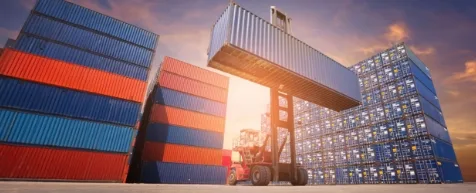 Reefers with remote monitoring: see our refrigerated containers with real-time tracking.