Container Market Trends for 2026: Efficiency, Availability and Control

The logistics and maritime industry keeps changing, driven by volatile freight rates, reshaped supply chains and a growing need for operational efficiency. In 2026, the global shipping container market is consolidating new trends that directly affect importers, exporters and logistics operators around the world.
1. More control over equipment: the rise of SOC
One of the main changes shaping the industry is the search for more control over equipment and logistics operations. Models such as Shipper Owned Container (SOC) keep gaining ground, allowing companies to depend less on shipping lines and to plan with more certainty about container availability. We explain the model in detail in shipper-owned containers: why importers and exporters are adopting them.
According to Econtainers Global, the volatility of recent years led many companies to rethink their logistics strategies, prioritizing more flexible and financially predictable arrangements.
"Companies today want to guarantee equipment availability, reduce the costs of delays and have more operational stability in a changing maritime market."
— Andrés Valencia, CEO of Econtainers Global
2. Freight rates will keep fluctuating
Although ocean freight rates have shown signs of stabilizing at times, the industry still faces factors that cause constant swings: port congestion, geopolitical conflicts, operational restrictions and changes in global demand. In response, companies are prioritizing logistics optimization, early planning and direct access to equipment to minimize financial and operational impact.
3. Sustained growth in container leasing and buying
More and more companies are choosing to buy or lease their own equipment to gain autonomy and reduce extra costs from detention and repositioning. Immediate equipment availability has become critical for operational continuity, especially in industries that depend on precise lead times and stable supply chains.
Leasing now comes in formats for almost every need: long-term (3 to 8 years), short-term (1 month to 3 years) and one-way leases for a single trip. See buy or lease a shipping container to compare.
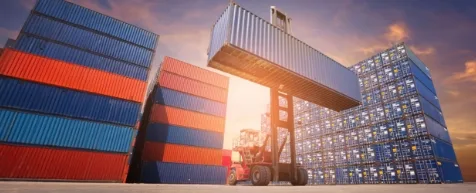 Compare live prices for dry and reefer containers, unit by unit.
 4. Emerging markets drive logistics demand
Latin America, Southeast Asia and some African markets keep increasing their share of international trade, driving demand for flexible and efficient logistics solutions. This growth also creates opportunities for specialized container suppliers, especially those able to offer inventory in different regions and solutions tailored to each operation.
5. Technology and traceability take center stage
Digitalization will keep playing a fundamental role. Equipment monitoring, real-time traceability, inventory control and predictive analytics are becoming key tools to optimize operations and reduce logistics risk. Learn how
What it means for your business
Companies that combine technology, equipment availability and flexible operating models will have a clear competitive edge in an increasingly demanding global market.
With more than 12 years in the industry and presence in more than 27 countries, Econtainers Global keeps strengthening its international operation and developing solutions adapted to the new dynamics of maritime trade, focused on equipment availability, operational flexibility and efficient alternatives for importers and exporters.
Planning your equipment for the rest of the year? Browse dry containers, reefer containers or contact our team.
This article was first published in Spanish by Mundo Marítimo on June 1, 2026.