What Types of Shipping Containers Are There?
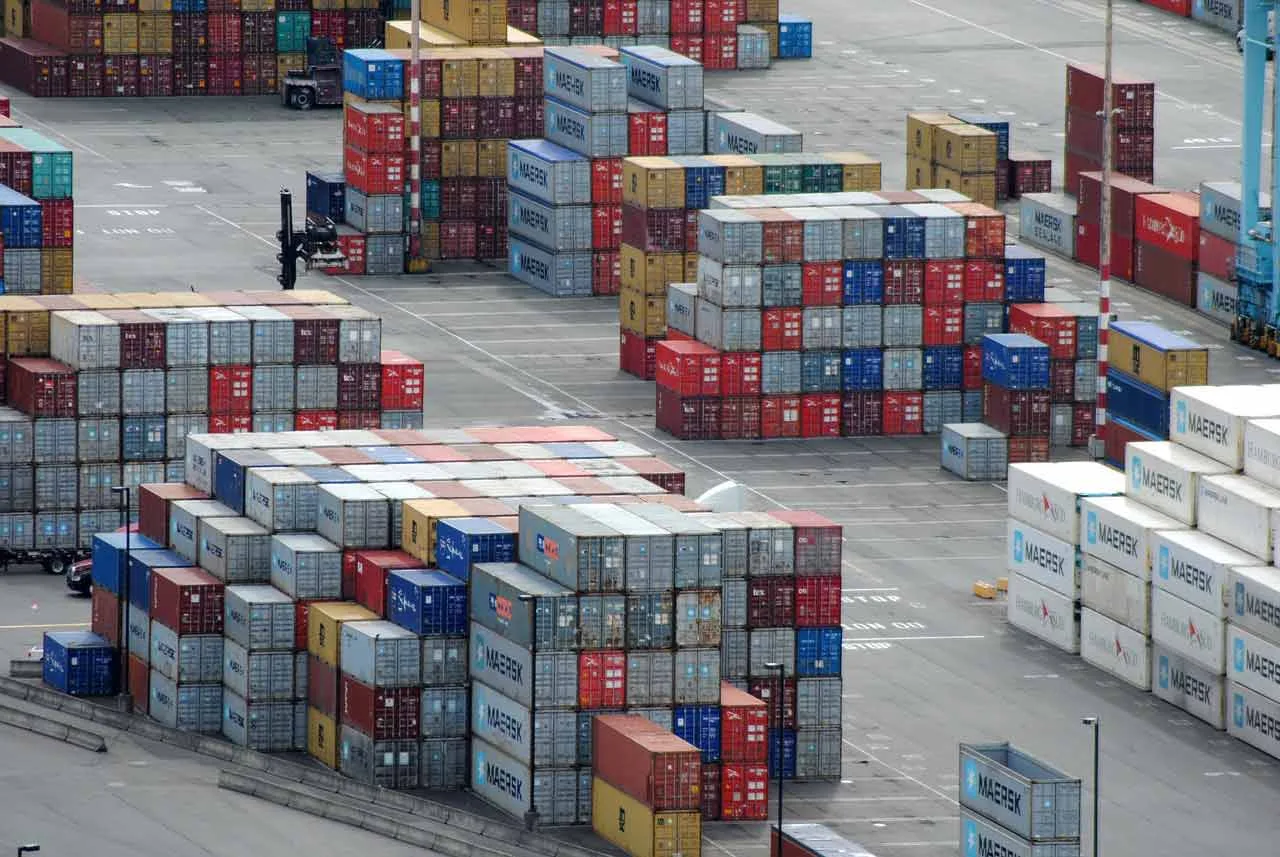
There are several types of shipping containers, depending on the characteristics of the cargo to be transported. These transport units are the most widely used for shipping goods around the world. The most common are 20-foot and 40-foot containers. Below is a list of the different types used, according to your requirements and needs.
Types of containers
- Refrigerated (reefer) container: uses an internal refrigeration system to keep a stable temperature inside. Used mainly to transport food and perishable products. These containers plug into the ship's power supply to operate.
- Insulated container: used to transport live plants, keeping a constant temperature inside without letting heat or cold in or out, since it is built with insulating material. It has internal refrigeration equipment.
- Controlled-atmosphere (hypobaric) container: useful for transporting plants and flowers. Temperature and humidity are regulated inside and the concentration of gases is controlled.
- Dry container: for grain and dry cargo such as chemicals, cement, flour and fertilizers, which are non-perishable materials.
- Livestock (cage) container: important for transporting animals; its walls are not solid, so air can flow in and out freely with good circulation.
- Flat-rack container: containers without walls, useful for transporting machinery and coils.
- Open-top container: for transporting construction materials, marble or glass, which can be handled with telescopic cranes to load and unload material.
- Car carrier container: fitted out to transport and secure vehicles.
- High-cube container: larger than standard dimensions and widely used for very large, light cargo.
- Tank container: used to transport liquids in bulk, such as oils, wine and milk, among others. They are classified according to the standard so it is clear what type of cargo or material is being transported and what precautions to take.
- Office container: widely used as offices, storage or accommodation, complete with internal electrical installation.
- Dangerous-goods container: dangerous goods are materials that, if mishandled, can harm human health and the environment. There is a series of regulatory classes according to the type of material transported that are very important to know:
- Class 1. Explosives: risk of mass explosion, which can start large fires.
- Class 2. Gases: asphyxiant, oxidizing, flammable or toxic material.
- Class 3. Flammable liquids: such as gasoline, varnishes or paints.
- Class 4. Flammable solids: flammable solid materials, spontaneously combustible substances, and substances that release flammable gases on contact with water.
- Class 5. Oxidizers and organic peroxides: materials that can be loaded in certain quantities.
- Class 6. Toxic substances: infectious substances that can cause death by inhalation, skin absorption or ingestion.
- Class 7. Radioactive material: contaminating radioactive sources with ionizing emissions capable of contaminating the whole surrounding environment.
- Class 8. Corrosives: substances with harmful effects on contact with the skin, such as sulfuric acid and sodium hypochlorite.
- Class 9. Miscellaneous dangerous goods: transport of polluting material such as lithium batteries.
There are many types of containers on the market for transporting your cargo. Telling us what type of material you want to move helps us choose the right container, so your goods reach the place you want with every necessary safety measure.
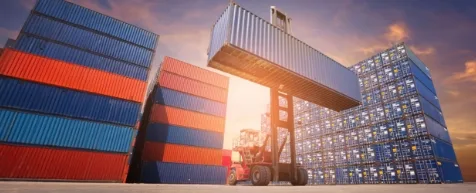 Find the right container for your cargo: see our new and used shipping containers.