Chemical Safety at Sea: Shipping Chemicals in Containers
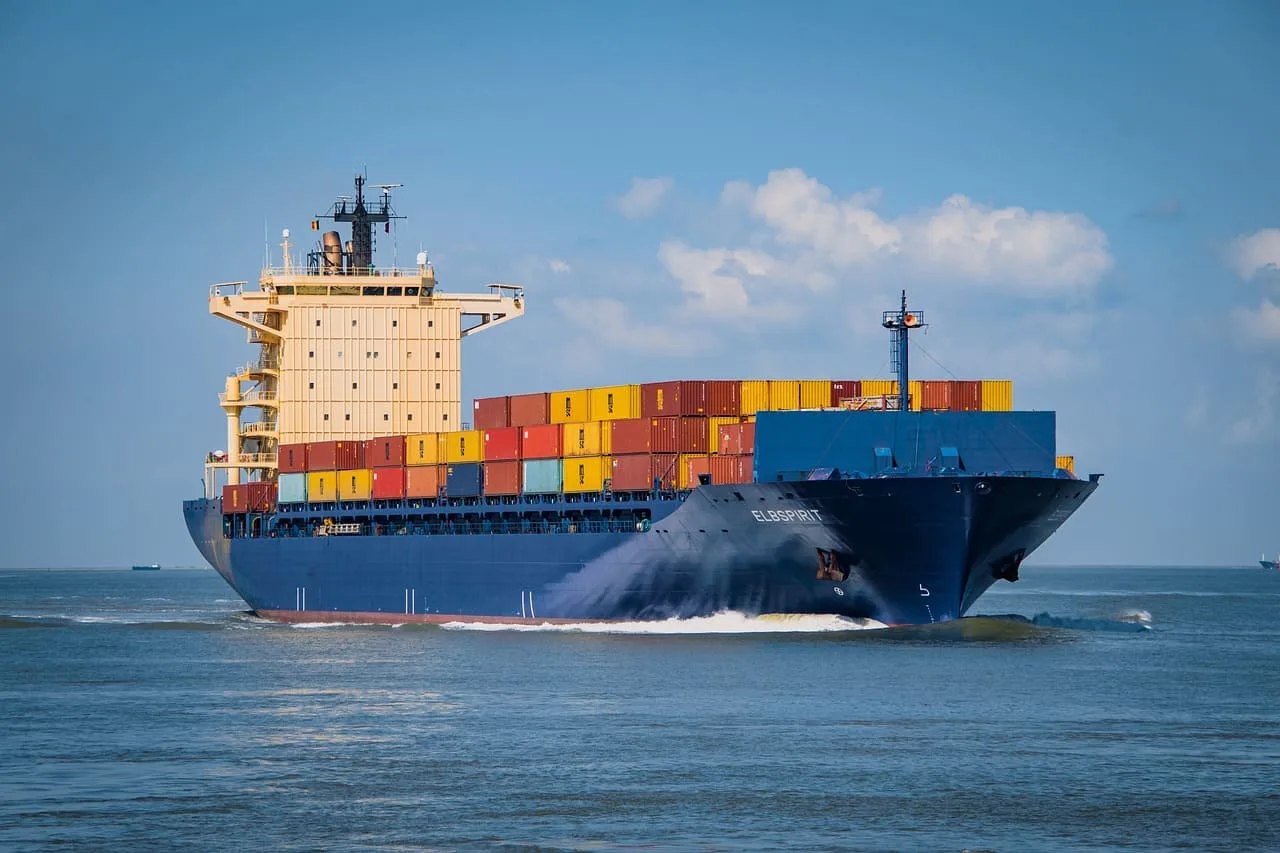
Shipping chemicals in used shipping containers is a critically important process that demands rigorous safety standards and specialized measures. Guaranteeing the reliable, safe transport of hazardous chemical substances is essential to protect both the environment and human life. In this article we look in detail at the international regulations, containment equipment and safe handling practices applied when shipping chemicals in containers.
International regulations for shipping chemicals
The safe transport of chemicals in shipping containers is governed by a set of international regulations that protect human life and the environment. The International Convention for the Safety of Life at Sea (SOLAS) sets strict rules for the construction and maintenance of vessels, ensuring that used shipping containers are suitable and in optimal condition for the safe transport of chemicals.
The International Maritime Dangerous Goods Code (IMDG) provides detailed guidelines for handling, packing and transporting hazardous chemical substances. These regulations ensure chemicals are properly classified and labeled and that containers meet the requirements needed to prevent leaks and spills.
Classification and labeling of hazardous chemicals
The Globally Harmonized System (GHS) is an international framework for classifying and labeling chemical substances. This classification identifies the risks associated with each chemical so that special precautions can be taken during transport and handling.
The IMDG Code requires chemicals to be properly labeled and placarded on used shipping containers. This ensures that both the crew and port authorities are aware of the risks and of the procedures required for safe handling, which considerably reduces the chance of incidents during the voyage.
Specialized containment equipment and packaging
Using ISO shipping containers specifically designed for chemicals is a key measure to guarantee safety in transit. These containers are built from materials highly resistant to corrosion and spills, minimizing the risk of leaks and damage to the cargo even in adverse sea conditions.
Beyond the containers, packaging materials are also fundamental to safety when shipping chemicals. Packaging must be designed to protect the substances effectively during the sea voyage and prevent any dangerous interaction between different products, guaranteeing safe transport from origin to final destination.
Safe handling practices for chemicals
Staff involved in shipping chemicals must receive appropriate training and certification. These professionals must understand the risks associated with each cargo and be ready to respond quickly to any emergency.
Loading and unloading procedures at ports and terminals are also crucial to safety. Thorough inspection and verification of used shipping containers before dispatch are standard practice to detect possible problems and make sure everything is in order, avoiding delays and risky situations during transport.
Monitoring and tracking chemical shipments
Technology now allows chemical shipments to be monitored and tracked in real time. This eases communication between the crew, the authorities and the companies involved, improving the ability to respond to any eventuality and increasing the efficiency of the transport process.
Having contingency and emergency response plans is also essential to minimize the impact of any incident while shipping chemicals. Being prepared for unforeseen situations guarantees a fast, efficient response, reducing risk and protecting the environment.
Protecting the environment during ocean transport
Preventing chemical spills and leaks is a priority for protecting the marine environment. Used shipping containers must be properly sealed and equipped with barriers and secondary containment systems in case a spill occurs, preventing hazardous substances from spreading into the marine environment.
It is also fundamental to implement measures that reduce the carbon footprint of ocean transport. Energy efficiency and the adoption of cleaner technology help minimize environmental impact and promote a more sustainable, responsible transport industry.
Conclusion
The safe transport of chemicals in shipping containers is a vital link in the global logistics chain. International regulations, specialized containment equipment and safe handling practices are fundamental to protect the environment and guarantee the safety of everyone involved in the process. Collaboration and an ongoing commitment to safety and environmental protection are key to meeting the future challenges of shipping chemicals at sea. A responsible, conscious approach to chemical transport guarantees a safer, more sustainable world for present and future generations. Implementing best practices and innovative technology will further strengthen the safety and efficiency of shipping chemicals in containers, reaffirming our commitment to protecting the marine environment and society as a whole.
 Need a certified cargo-worthy container for your shipment? See our shipping containers.