How Are Shipping Containers Maintained and Repaired?

Shipping containers have revolutionized the transport and logistics industry since their creation in the 1950s. Their standardization and modular design made it easier to handle, store and move goods around the world.
Given their importance in international trade, it is fundamental to guarantee their proper operation, durability and safety through adequate maintenance and repair.
Types of shipping containers
There are several types of shipping containers, designed to suit the cargo and the transport conditions. Among them:
- Dry cargo containers: the most common, used to move solid, general-purpose goods.
- Refrigerated containers: equipped with refrigeration systems to preserve perishables such as food and medicines.
- Open-top containers: allow direct access to the cargo from above and are used for oversized or irregularly shaped goods.
- Tank containers: designed to carry liquids and gases in bulk.
- Flat-rack containers: used for oversized goods that do not fit in a conventional container.
Inspection and diagnosis
Regular, periodic inspections are essential to identify possible damage and problems in shipping containers. Some of the common issues include:
- Rust and corrosion: caused by constant contact with salt water and other corrosive agents.
- Deformation and dents: caused by impacts during handling and transport.
- Problems with doors and locking mechanisms: which can compromise the security and stability of the cargo.
- Refrigeration system failures (in reefer containers): which can affect the preservation of the products.
After the inspection, criteria are set to determine whether a container needs maintenance or repair.
Preventive maintenance
Preventive maintenance is crucial to extend the service life of shipping containers and guarantee their optimal operation. The main tasks include:
- Cleaning and disinfection: to prevent the build-up of dirt, residue and contaminants that could damage the cargo.
- Lubricating hinges and mechanisms: to reduce wear and keep them working smoothly.
- Checking and adjusting locking systems: verifying that doors and locking mechanisms work correctly and adjusting them when necessary.
- Inspecting and maintaining refrigeration systems (in reefer containers): checking that they work correctly and making adjustments when needed.
Repair techniques and tools
When problems that require repair are detected, different techniques and tools are used to fix them:
Repairing dents and deformation
Specific tools and methods, such as hammers, presses and fillers, are used to correct these imperfections and return the container to its original shape.
Treating and removing rust and corrosion
Sanding, brushing and the application of anti-corrosion products are used to remove rust and prevent it from forming again on the container's surface.
Repairing or replacing doors and locking mechanisms
The situation is assessed to decide whether damaged parts need to be repaired or replaced to guarantee the security and stability of the cargo.
Repairing refrigeration systems (in reefer containers)
Problems in the system, such as refrigerant leaks or compressor failures, are identified and fixed to ensure the products are properly preserved.
Regulations and quality standards in container repair
Companies in charge of maintaining and repairing shipping containers must comply with international regulations and the established quality standards to guarantee safety and efficiency in ocean transport. Among them:
- Compliance with international regulations: such as those issued by the International Maritime Organization (IMO) and other competent authorities.
- Repair certifications and warranties: companies must hold certifications that back the quality of their services and offer warranties on the repairs carried out.
- Quality inspections and audits: carried out to verify that companies meet the established requirements and procedures for container maintenance and repair.
Conclusion
Proper maintenance and repair of shipping containers is crucial to guarantee the safety, efficiency and sustainability of ocean transport. A container in good condition helps reduce the risks and costs associated with international trade, contributing to economic growth and sustainable development.
It is fundamental to keep innovating in maintenance and repair techniques and tools, and to guarantee compliance with the industry's regulations and quality standards.
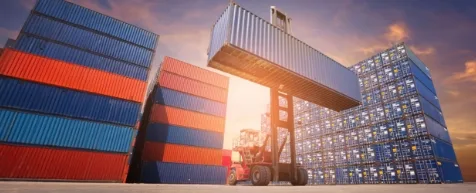 Every Econtainers unit is inspected and graded. See our new and used shipping containers.