What to Check Before Using a Shipping Container
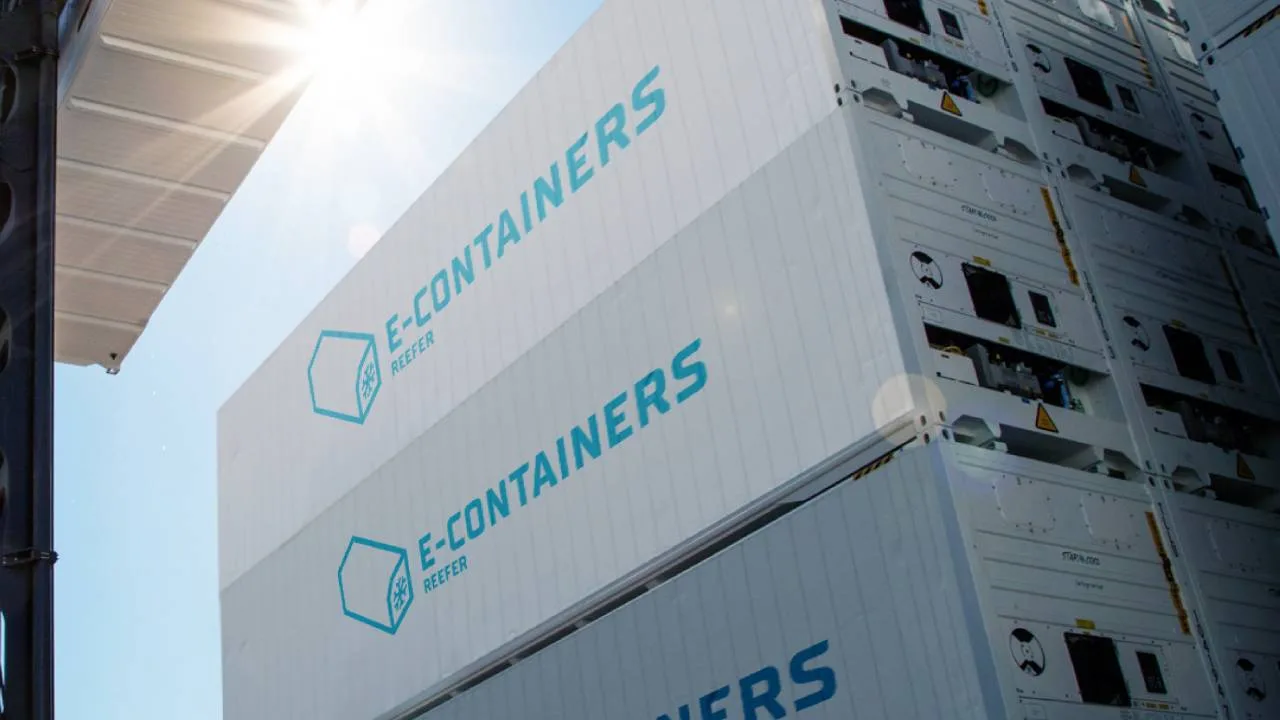
There is no doubt that containers are the most widely used tool for transporting goods. Their constant use is due to the fact that they are tough, they protect the cargo and they were designed to make loading and unloading simple. But there are a few points to keep in mind to get the most out of them.
What to check on a container before using it
The main factor to pay attention to before using a container is its physical condition. To do that, you can follow these recommendations.
Checking the external and internal condition
This means verifying in detail that the unit has not undergone improper repairs or repairs that do not comply with national and international standards. You should check:
- That the panels are not attached with adhesives, to rule out that any of them has been removed.
- That there are no recent welds, which would alert you to changes in the structure or the removal of a part.
- Fresh paint that could be used to hide an alteration to the frame.
- Rippled surfaces inside or outside.
- That the lower entry protection panel has not been tampered with to hide illicit goods (it must always measure 50 cm, about 20 in).
- Unusual smells such as burnt wood, welding, paint, glue or grease.
Validating the identification number
This is always printed in several places. On a dry container, for example, it must be visible twice on the roof and once on each side panel. It is advisable to apply the check-digit formula to verify the last digit.
Inspecting the condition of the doors
This is meant to rule out modifications that do not follow international standards, and it matters a great deal. This is where poor control can allow illicit or unwanted cargo to get in. Watch for the following:
- That the joining rivets have round heads and that every nut has been welded.
- That the internal and external channels have not been covered to hide illegal goods.
- That the areas near the hinges or rivets show no dents, signs of forcing or blows that could have been made to open the container after loading was completed.
Floors are an especially sensitive area
Because of the possibility of floor damage, carry out an inspection from inside the container when it is empty or while it is being unloaded. Focus on these points:
- The floor must be level, with no difference in height at the door or at the far end.
- You must always be able to see beneath the lower structural beams.
- If you detect a recent repair, it is essential to confirm it was ordered with the form issued by the authorized storage yard and in accordance with international regulations.
- The cross members, tunnel, side rails, outer floor and side sheets deserve special attention, to catch any problem in time.
Always verify that the equipment comes with an Equipment Interchange Receipt, the document that transfers responsibility by recording the conditions in which the intermodal interchange took place.
This form holds the history of the unit: when it was picked up by the customer and when it was returned. It also lists the serial number, the shipper's seal numbers, the chassis number and the condition in which it entered the country (full or empty), among other data.
In short, although this means of carrying cargo is very efficient and reusable, you must always stay alert to any possible modification of its structure that could have allowed unwanted goods to be smuggled in, or damage that could put your shipment at risk.
 Every Econtainers unit is inspected and graded before delivery. See our shipping containers.