Benefits and Challenges of Using a Shipping Container as a Warehouse
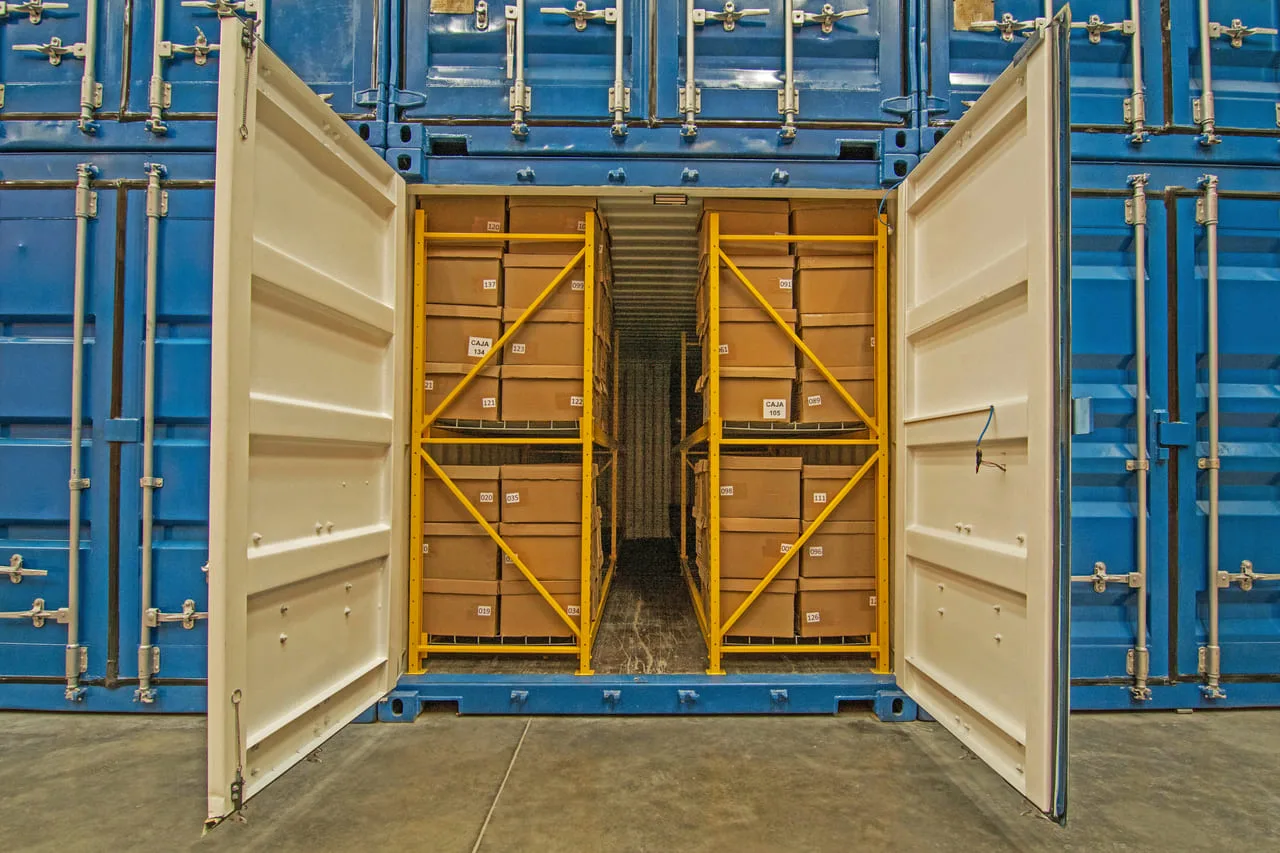
Shipping containers are a widely used means of transport in international trade. Designed to protect cargo in transit, these units have also become a popular choice as a warehouse.
In this article we look at the benefits and challenges of using shipping containers as storage.
What is a shipping container?
First of all, a shipping container is a standardized unit used to transport cargo. Shipping containers are built to withstand the weather and protect the cargo during transport.
There are several types of shipping containers, including 20-foot, 40-foot and 45-foot units. Containers also come in different materials, such as steel and aluminum, and with different features, such as ventilation, side doors and special floors.
Benefits of using a shipping container as a warehouse
Using shipping containers as warehouses has many benefits for businesses and consumers. These are some of them:
Flexibility and versatility
Shipping containers can store and transport a wide variety of products, from food to hazardous chemicals. They can also be stacked and moved easily on ships, trains and trucks, which makes it simple to relocate the cargo.
Security and cargo protection
Shipping containers are designed to protect cargo from the elements and from theft. They are sealed, which reduces the chance of theft or damage during transport.
Lower transport and storage costs
Shipping containers can move cargo across different modes of transport, which lowers shipping costs. They can also serve as warehouses on land, which reduces storage costs.
Positive environmental impact
Shipping containers can be reused and recycled, which reduces the waste generated by the transport industry. Using them as warehouses also reduces the need to build new storage facilities.
Challenges of using a shipping container as a warehouse
Despite the benefits, there are also some challenges to consider before making this decision.
Space and load capacity limits
Shipping containers have a limited capacity, which can restrict how much cargo you can store in them. A container may also be too large or too small for certain types of cargo.
Temperature and humidity issues
Shipping containers are not always suitable for storing products that require controlled temperature and humidity. Variations in temperature and humidity can affect the quality and safety of the cargo.
Special requirements for hazardous or sensitive cargo
Transporting and storing certain types of cargo, such as hazardous chemicals or sensitive medical products, requires special attention. Shipping containers may need specific modifications to meet the applicable safety regulations and standards.
Rules and regulations to comply with
Transport and storage regulations can vary depending on the type of cargo and the country of origin and destination. Make sure every applicable rule and regulation is met before using shipping containers as warehouses.
Success stories and examples of containers used as warehouses
Using shipping containers as warehouses has worked well in many industries. Here are some examples of how they have been used as storage in different settings.
Temporary storage
In areas hit by natural disasters or humanitarian crises, shipping containers have served as temporary warehouses for emergency supplies. They have also been used on construction projects and at short-term events.
Storing perishable goods
Shipping containers can store perishable goods such as fruit and vegetables. In some cases the containers have been modified to include refrigeration systems.
Storing hazardous products
Shipping containers have been used as warehouses for hazardous chemicals. These containers undergo regular inspections to make sure they meet the applicable safety standards.
Storing dry goods
Shipping containers have been used as warehouses for dry goods such as textiles, toys and electronics. Because they stack and move easily, they are an attractive option for transporting cargo in large volumes.
Conclusions
Using shipping containers as warehouses brings many benefits, such as flexibility, security and lower costs.
There are also challenges, however: limited space and load capacity, temperature and humidity issues, and rules and regulations to comply with. Consider all of these factors carefully before deciding to use shipping containers as warehouses. In short, shipping containers can be a cost-effective, efficient solution for storing and transporting cargo, as long as the applicable regulations are met and the nature of the cargo is taken into account.
 Looking for on-site storage? See our new and used 20ft and 40ft shipping containers.