International Freight Rates for 2023: What to Expect
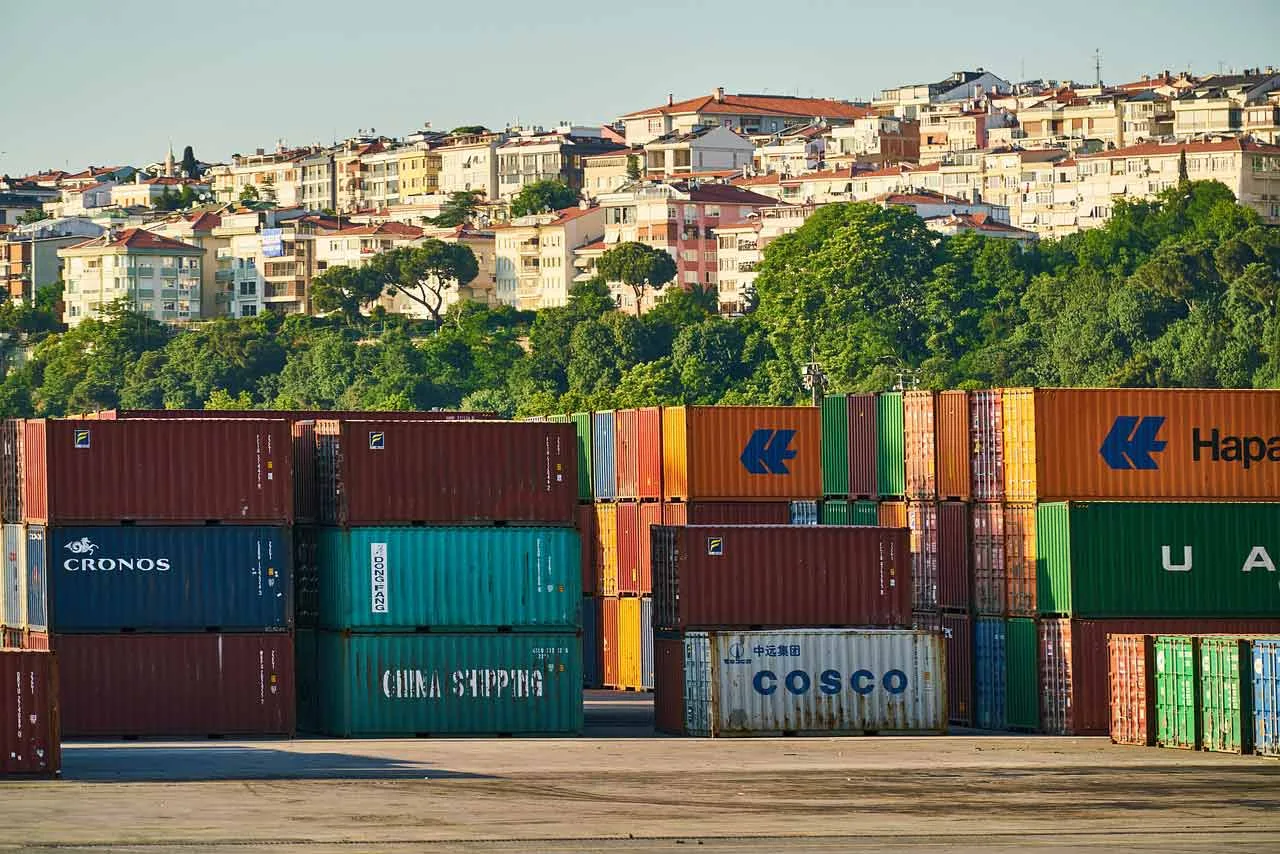
International freight rates have come down in Colombia, mirroring what is happening worldwide after the economic disruption caused by the 2020 pandemic. This decline may hold or deepen in 2023. This article, written at the end of 2022, looks at the outlook using Colombia's export cost targets as the example.
Guidelines for international freight in Colombia
The guidelines were set at a meeting between Colombia's Minister of Transport, Guillermo Reyes, and several industry associations: customs, logistics, free trade zones, ports, transport and trade, among others.
The meeting was the International Congress of the Colombian Federation of Logistics Agents in International Trade (FITAC). There the minister laid out some figures:
- Current cost of exporting a container: USD 2,451
- Possible cost with support from foreign trade measures and the 4G program: USD 2,076
- Possible cost adding rail to the 4G program: USD 1,809
- Possible cost adding river transport to the above: USD 1,209
The fall in international freight rates
The drop in rates has been significant, especially compared with 2020. Under the exceptional conditions created by the pandemic, prices per container were very high. A single container on an Asia-to-Americas route could cost USD 12,000. By mid-2021 rates came down, and in 2022 that global trend continued.
Colombia's situation is even more particular. With what was agreed at the conference with Minister Reyes, the country can invest resources to lower costs. In that sense, near-term rates for 2023 would be roughly between USD 2,000 and USD 1,200. These figures take into account the government's proposal through the Ministry of Transport.
What is Colombia's 4G program?
The minister based his proposal on the use of the 4G program, a kind of support that would lower container export costs. What is this program?
Fourth generation is the name of a road infrastructure project. It was proposed in 2012 by the ANI (National Infrastructure Agency) and was scheduled to be completed in six years. The plan is still under way today, with significant progress.
The main goal of the project is to cut travel times for freight transport, and with them fuel consumption and the economic and environmental cost that implies.
Colombia's economic development is expected to owe a great deal to the 4G program. Shorter delivery times will make the economy considerably more agile.
Other variables that influence international freight rates
Although the minister spoke of possible rates, this is a global market, so other variables influence price fluctuations. Some of them are:
- Lingering effects of the recession and slowdown after 2020, a product of the Covid-19 pandemic.
- The current geopolitical context, specifically the war between Russia and Ukraine.
- Trade uncertainty around Colombia's new political agenda.
- The adoption of technologies that systematize and automate cargo operations to optimize time.
Beyond the macroeconomic system that governs international freight and geopolitical relations, there is one more factor to consider: seasonality. Rates can fluctuate depending on whether it is peak season or low season.
In Colombia, Minister Reyes projected a 15% drop in container costs in 2023. These are, however, tentative figures that depend heavily on the effectiveness of the 4G program and on the international outlook.
 Shipper-owned containers give you control over equipment costs. See our new and used units.