Logistics Solution Providers for Domestic and International Freight
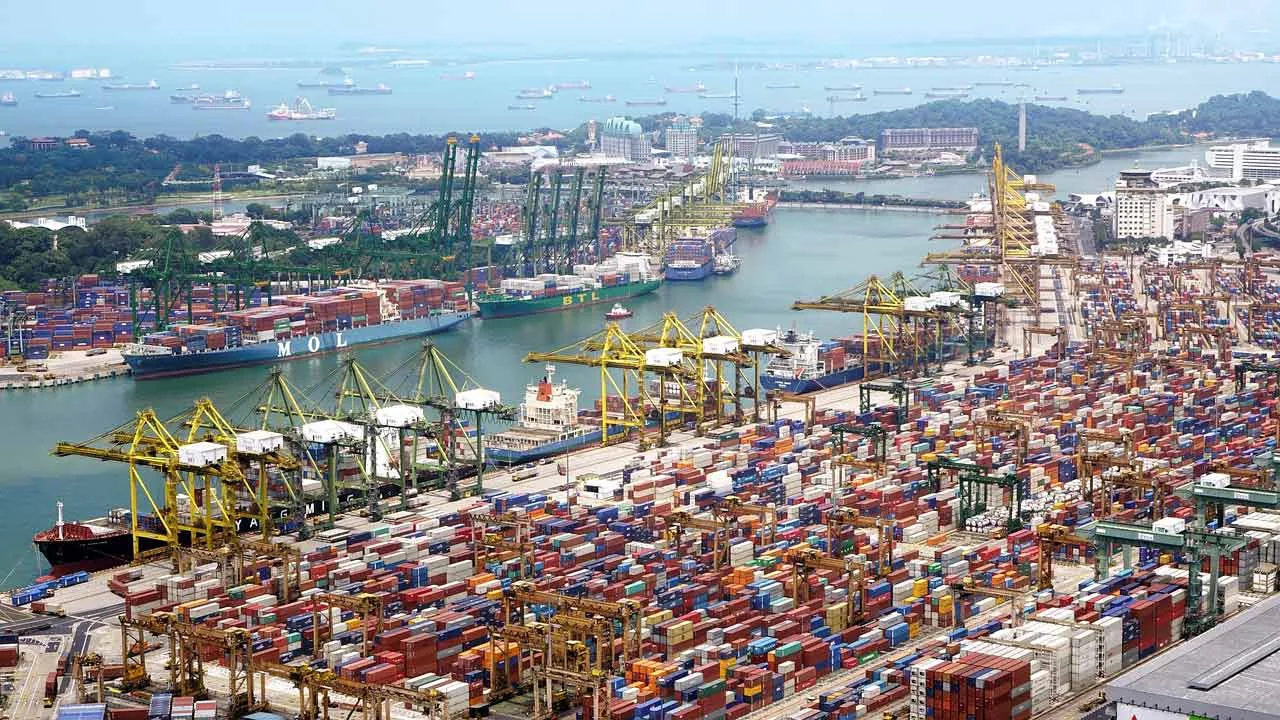
A logistics solution provider is the partner that takes charge of the whole chain, or of the leg you delegate, so the goods arrive: it quotes the freight, contracts the transport, coordinates customs brokerage, manages storage and responds when something goes off plan. That last part, the ability to solve the unexpected, is what really separates a supplier from a partner.
What does a logistics solution provider do?
It does not just move boxes. It takes responsibility for the outcome: that the cargo departs, clears customs and arrives in good condition and within the agreed time. In practice, its usual functions are these:
- Route and mode design: decides whether ocean, air, road or a combination is best, and whether the cargo travels as a full container or consolidated.
- Freight contracting: negotiates with shipping lines, airlines and carriers, and secures space in peak seasons.
- Documentation: issues or manages the transport document and coordinates the certificate of origin, commercial invoices and any prior permits the product requires.
- Customs: coordinates the customs broker's work for the import or export declaration and the payment of duties.
- Domestic transport and last mile: moves the cargo between port, depot, plant and end customer.
- Storage: places the goods in a warehouse, bonded depot or its own storage units while their destination is defined.
- Traceability and control: reports where the cargo is, flags deviations and documents what happened when there is an insurance claim.
When the operation involves refrigerated cargo, on-site works or special equipment, the scope widens: cold chain handling, oversized loads or coordinating cranes and lifts.
Logistics operator, freight forwarder or customs broker
These three terms are used as synonyms, and they are not. Each has a different scope and, in most countries, a different authorization. Colombia, where Econtainers is headquartered, is a good example of how the roles are split:
| Role | What it does | Authorization in Colombia |
|---|---|---|
| International freight forwarder | Consolidates cargo and contracts international transport on behalf of the cargo owner | Must be authorized by the DIAN (customs authority) under the current customs regime |
| Customs broker (customs agency) | Handles import, export and transit procedures before the DIAN | Licensed by the DIAN and classified by level |
| Multimodal transport operator (MTO) | Takes charge of the cargo under a single transport document covering two or more modes | Registered in the Ministry of Transport's MTO registry and authorized by the DIAN |
| Integrated logistics operator | Coordinates the whole: freight, customs, domestic transport and storage | Depends on the services it provides directly; it usually brings the roles above together |
When outsourcing logistics pays off
Outsourcing does not always pay. It is usually justified when one of these conditions is met:
- Volume is irregular and it does not make sense to keep permanent foreign trade staff.
- A new market is opening and there is no experience with that customs authority, port or product regulation.
- The cargo demands special conditions, such as refrigeration, weight or dimensions, that require equipment you do not have.
- The internal team is spending more time solving shipments than selling or producing.
- You need the capacity to react to port congestion, strikes or schedule changes.
What to check before hiring
- Valid authorization: ask for the authorization or registration number and verify it for the role in question.
- Insurance and liability: what the cargo insurance covers, what the limit is and who is liable for damage or shortage.
- Written scope: which legs are included and which are billed separately, including storage and demurrage.
- Handling of extra costs: how surcharges for congestion, port dwell time or vessel rescheduling are communicated and approved.
- Real traceability: how often they report and who to call when the shipment stops on a Friday afternoon.
- Experience with your type of cargo: perishables, dangerous goods and oversized cargo are not handled the same way.
Frequently asked questions
Is it mandatory to hire a freight forwarder?
No. An importer or exporter can contract directly with the shipping line and with a customs broker. The freight forwarder brings access to space, negotiated rates and consolidation when the volume does not fill a container.
What is the difference between domestic and international logistics?
Domestic logistics moves within the customs territory and answers to road transport regulations. International logistics adds customs, the transport document, foreign trade insurance and the rules of the destination country. The same shipment almost always combines both.
What happens if the cargo is delayed at the port?
Dwell-time costs accrue and, if the container is not returned on time, detention charges in favor of the shipping line. A good partner anticipates that scenario, warns before the free days run out and proposes alternatives such as moving the unit to a depot or to its own warehouse.
How is a logistics service quoted?
It depends on origin and destination, mode, weight and volume, type of cargo and season. That is why rates are given case by case and with limited validity. In Colombia, Econtainers also operates as an international logistics operator; for shipping containers to buy or rent anywhere else, contact our team and we will build a proposal around your real operation.