The Importance of Refrigerated Containers in Transporting Perishable Food
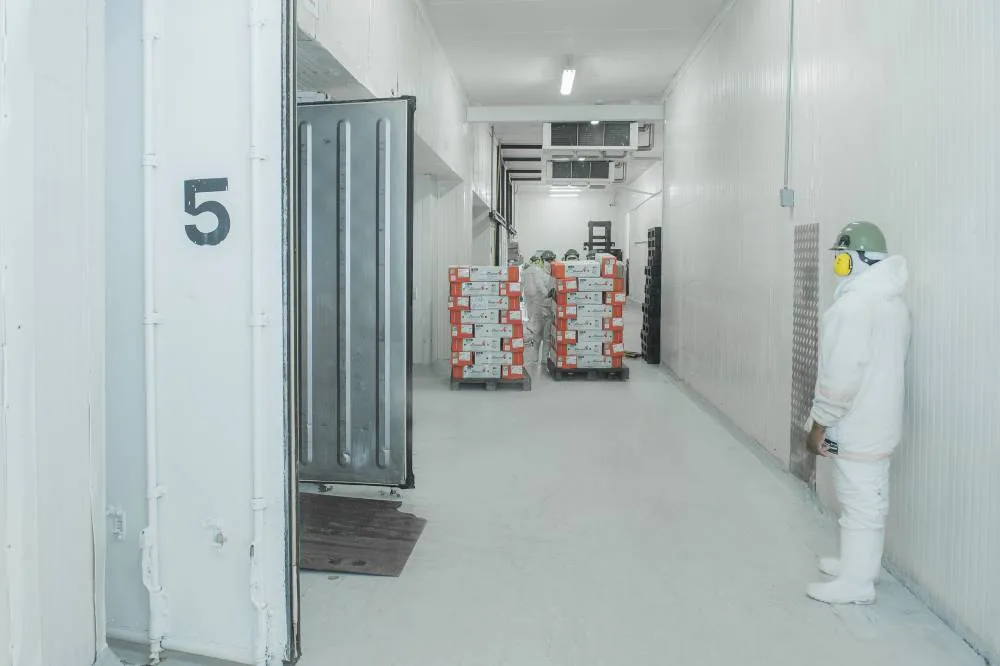
Freight transport is a delicate business, even more so when the products can spoil along the way. Fortunately there are refrigerated containers, designed to move goods under full temperature control so they stay in good condition.
Types of refrigerated containers
If you work in freight transport, you know how important it is to move everything safely. And if you have ever shipped perishable food, you know how demanding it is.
Every problem has a solution, and the safe transport of special goods is no exception. Temperature-controlled refrigerated containers are there to help, in different varieties and models such as:
Ventilated
They have internal insulation, usually high-density polyurethane, and motors that generate a continuous air flow for proper ventilation. They are used to move products that need to stay at cool temperatures without being chilled or frozen, such as potatoes, garlic, onions, grains, vegetables and the like.
Controlled atmosphere
These are storage and transport units with internal equipment that maintains the atmospheric pressure and controls the ripening of fruit; they also help preserve high humidity. They are used mainly for moving sensitive goods such as vegetables, avocados, mangoes, bananas, blueberries and fruit in general.
Super freezers
They come with independent motors that can lower the temperature to -60 °C (-76 °F). Their interior materials, lined in stainless steel, are also more efficient and better insulated to help hold very low temperatures. They are used to transport frozen meat and fish and pharmaceuticals that must stay frozen.
Features of reefer containers
Refrigerated containers share certain conditions and features you should consider when you need to move perishables or any cargo that must travel cold:
- Temperature control ranges between -25 and 25 °C (-13 and 77 °F), depending on the container selected.
- T-bar floors for better cold distribution.
- Different sizes depending on the need; they usually come in standard 20ft, 40ft and 40ft high cube dimensions.
- Three-phase electrical equipment at 220 V, 380 V or 440 V.
- Powerful refrigeration units.
- Variable temperature control that adjusts to the cargo's requirements.
Why use refrigerated containers
Perishable products are short-lived, with a specific shelf life. Some goods also need to travel frozen to keep their natural decomposition process from starting. The same goes for certain medicines, which need low temperatures to stay in perfect condition.
For that reason, these goods require special handling to keep them in optimal condition during transport. Reefer containers are the ideal solution, because they keep the cargo preserved until it reaches its destination, even on the other side of the world.
Advantages of using reefer containers
Temperature-controlled containers are undoubtedly a great help in moving certain products. Their advantages are clear:
- They keep the cold chain unbroken at every moment.
- They are practical. The most modern units have everything built in (motors, storage space, loading rails and so on), each in its place so it performs its function efficiently.
- They comply with the law. These special containers meet the requirements of current transport regulations.
- You can buy or rent them from specialized companies.
Refrigerated containers are used today in specialized projects across many industries: their thermal insulation, stainless steel interior and ease of transport make them ideal for cold chain solutions. If you need more information, see our refrigerated containers or contact us.
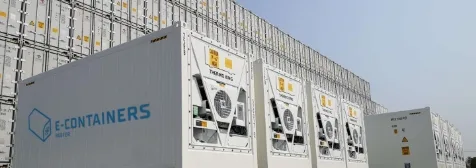 Keep your perishables at the right temperature: see our 20ft and 40ft reefer containers.