Shipping Containers and Environmental Care
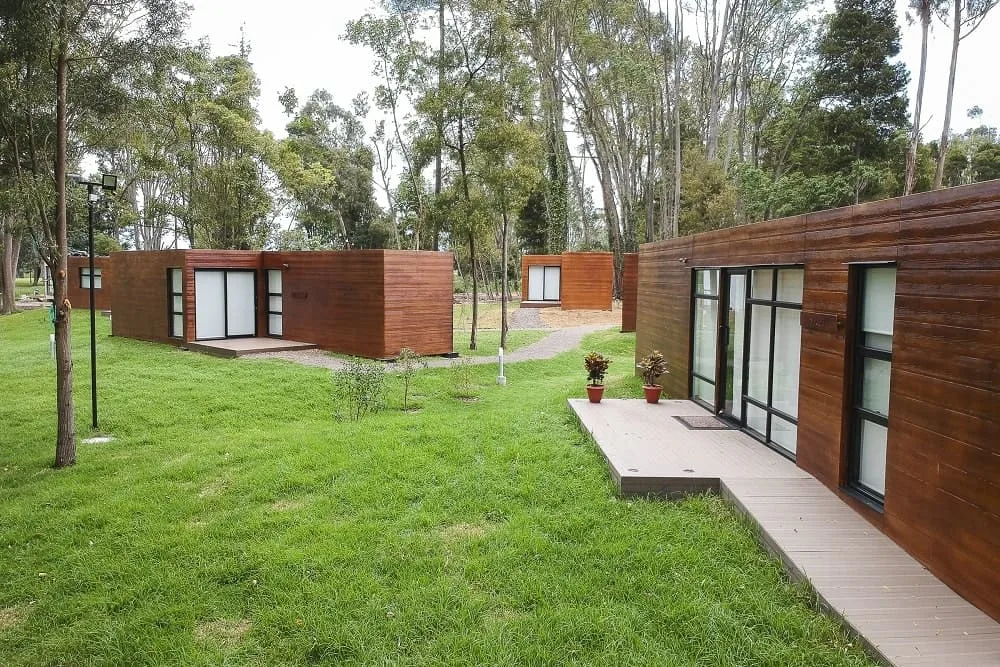
Shipping containers are standard rectangular units for transporting all kinds of products by air, sea or land, and they are also used for special purposes such as building architectural projects out of containers. A construction method based on containers is good for the environment. Here is everything you need to know.
Advantages of using containers in the construction process
- Using recycled containers considerably reduces the use of other traditional materials, which saves energy and avoids unnecessary carbon dioxide emissions that would be generated in producing construction materials.
- They need little maintenance, since containers are manufactured to standard dimensions under international standards.
- They are built from tough materials. Although they are mainly made of steel, there are also aluminum and plywood versions. The insulating materials some containers are built with make them suitable for interior use, saving energy on heating or cooling, whichever the case requires.
- Some were built with a moisture-resistant coating for transporting any type of goods and preserving them during long international voyages.
- They also withstand weather conditions, since they were designed to protect products under extreme conditions.
- They fit any construction project with a light foundation that adapts to any type of terrain. The way they are designed also translates into high structural performance that supports weight and prevents deformation.
- You can order them prefabricated for a house or office, or for modular buildings, where one container can be placed on top of another because they are stackable. They are also easy to move and simple to install.
- They can be adapted to the customer's needs with whatever finishes are required, thanks to their standard factory model.
- When used for architectural purposes, container units avoid excessive earthmoving, which in turn avoids destroying the local ecosystem.
- In some cases you can join several modules together into one large structure.
Keep in mind that the environmental role of a recycled container goes beyond reusing it: it also means avoiding its destruction. Disposing of containers uses fossil fuels, so avoiding their destruction also reduces the impact of air pollution.
There are many buildings made with this construction method in developed countries, thanks to its durability, strength and safety for users. It is a sustainable alternative that can be adapted to many temporary or permanent projects.
The container recycling process
Once its useful life as a transport container is over, its unique qualities can be put to use as a living space. The construction method can go like this:
- Since no major foundation work is needed, a reinforced concrete base is laid.
- The containers are then set in place; a crane can lift and join these cargo modules.
- Finally, the container can be cut for light and ventilation openings, and clad to provide thermal and acoustic insulation.
- Power, drinking water and drainage are connected for the comfort of the users.
Standard containers for air, sea or land transport are also used in special construction projects because they are a sustainable, economical and durable alternative. Remember that any action towards sustainable development, such as projects that benefit the environment, pays back in the survival of every living thing on the planet.
You may also be interested in: Key points of the import and export process
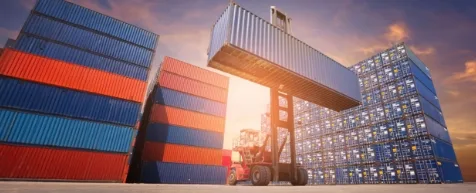 Give a container a second life: see our new and used 20ft and 40ft shipping containers.