Freight Tracking: Common Challenges and How to Overcome Them

In modern logistics,
Introduction to container tracking
Container tracking is the process of following and monitoring the location and condition of cargo containers as they move along the supply chain. The practice has become fundamental in modern logistics because of the growing complexity of freight transport operations.
Freight tracking is not only about knowing where the containers are; it is also about getting detailed information on their condition, temperature, humidity and other critical factors. That information lets companies optimize operations, minimize risk and provide a more efficient service to their customers.
How freight tracking works today
Today's freight tracking relies on advanced technology that includes GPS devices, sensors and real-time communication systems. These devices are installed on the cargo containers and transmit data to a central tracking platform, where companies can access vital information about their shipments.
Freight tracking provides real-time information on:
1. Location
GPS devices reveal the exact location of every container at any moment. This is especially valuable for scheduling deliveries and coordinating the movement of goods.
2. Condition
Built-in sensors detect changes in temperature, humidity and other environmental conditions inside the container. This is essential to maintain the integrity of sensitive products such as food or pharmaceuticals.
3. Security
Freight tracking also contributes to security by raising alerts on unauthorized movements or door openings. This is essential to prevent cargo theft.
Common challenges in freight tracking
Despite the technological advances, freight tracking still faces significant challenges in modern logistics. Some of the most common include:
1. Global coverage
Network coverage for tracking devices can be a problem in remote areas or at sea. Finding solutions that guarantee constant connectivity is crucial.
2. Communication standards
The diversity of tracking devices and systems often results in a lack of uniform communication standards. This can make interoperability between different parts of the supply chain difficult.
3. Cybersecurity
The growing volume of data transmitted through freight tracking systems makes cybersecurity a critical issue. Protecting sensitive information and preventing cyberattacks is a constant concern.
How to overcome the challenges of freight tracking
To overcome these challenges and get the most out of freight tracking, companies should consider the following strategies:
1. Expand network coverage
Explore satellite connectivity and advanced mobile networks to guarantee reliable global coverage.
2. Establish communication standards
Collaborate with partners and stakeholders to establish communication standards that allow interoperability between freight tracking systems.
3. Strengthen cybersecurity
Implement solid cybersecurity measures, such as firewalls, data encryption and user authentication, to protect the integrity of tracking data.
Freight tracking plays an essential role in modern logistics by providing visibility and control across the whole supply chain. As companies face ongoing challenges in this area, investing in advanced technology and collaborating with strategic partners become fundamental to overcome these obstacles and make the most of the benefits of freight tracking.
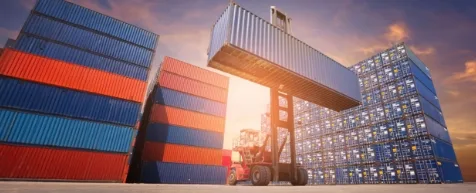 Want a container you can track? See our reefers with remote monitoring.