Tips for Handling Refrigerated Cargo
Refrigeration as a preservation method
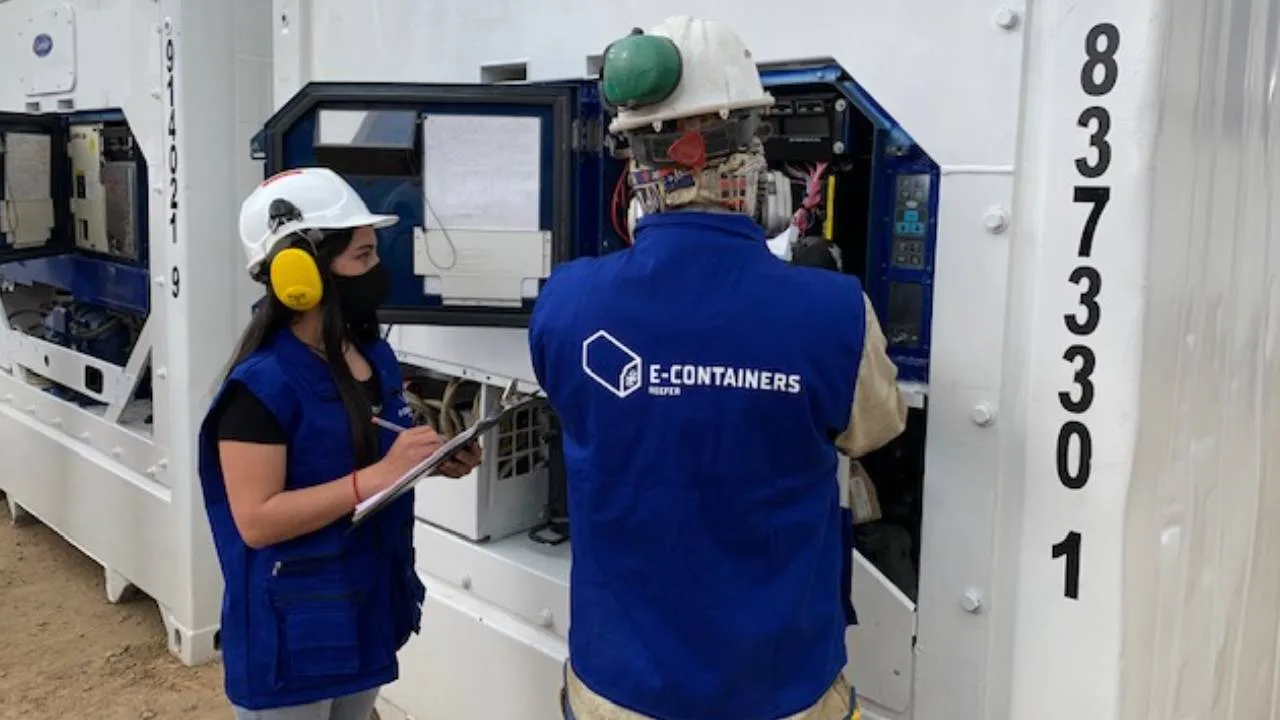
The need to preserve perishable food makes the refrigerated container your best ally for storing and transporting raw materials such as fresh produce and finished products such as meat and dairy. The essential thing is not to let the cold chain break for your products.
Causes of food deterioration
Food products can deteriorate for physical, chemical and microbiological reasons. Let's look at each.
- Physical causes: they alter the appearance of the products, causing customers to reject them.
- Chemical causes: fat oxidation makes products go rancid and, as a result, damages their taste, smell and appearance.
- Microbiological causes: the action of bacteria, fungi and mold. Microorganisms are the most frequent cause of foodborne illness. Because they are microscopic, they cannot be seen with the naked eye, and it often happens that a product is contaminated without its appearance changing.
What does refrigeration achieve?
With refrigeration you can:
- Slow down the chemical and biochemical reactions that degrade food products.
- Delay the growth of microorganisms by lowering the temperature.
Conditions to control before loading or at the storage site
Points to consider before loading the products:
- In the container or the food warehouse, set the correct temperature and make sure conditions are suitable for moving the goods.
- Set the temperature, ventilation and humidity of the container or warehouse correctly.
- Batches of goods must be palletized and securely fastened.
- When transporting the goods, do not exceed the permitted gross weight.
Tips for transporting refrigerated products
Follow these tips to move your goods successfully:
- Set the optimal temperature range in the container that will carry your goods, for proper preservation of perishable products.
- Also adjust the required humidity and ventilation standards, to keep the transport's refrigerated chamber within optimal ranges and protect your products from the ambient heat.
- Prepare all the necessary documentation, know the legal restrictions and comply with rules and regulations.
- Certify the volume and weight of the batch to be transported.
- Use the right materials and equipment to secure the goods.
- Have a suitable unloading method at the destination, taking into account the cargo reception schedule and making sure unloading takes as little time as possible.
- Use latest-generation transport units, which make it possible to preserve perishable products thanks to a properly working refrigeration system.
- Research temperature control systems built for long-distance transport, whatever the mode used: rail, sea or road.
- Use certified solutions for the maintenance and control that the food processing industry demands when moving its perishable products.
Refrigeration is an essential method for preserving perishable food, and it must be in place along the whole production chain, from harvest as a raw material to delivery as a finished product to the end consumer.
 Need a reefer for your perishables? See our refrigerated containers for sale.