Tips for Good Container Maintenance
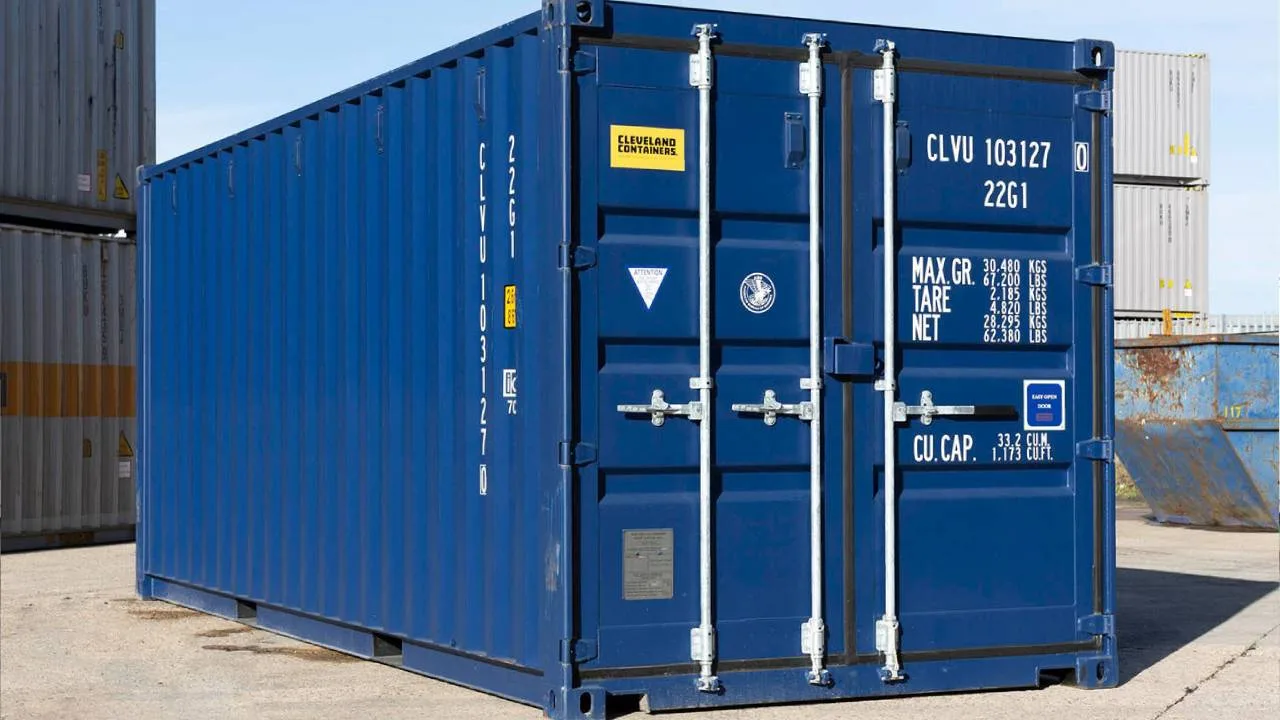
The container is a unit designed to carry heavy loads or large quantities of light goods by sea, air or land. Containers are built in different models and sizes to meet each shipper's transport needs.
Types of containers
Today there are different containers built specifically for certain cargo, which makes transport much easier and allows products to be preserved effectively without compromising their quality. The most widely used include:
- Refrigerated containers: intended for products that must be kept at specific temperatures, such as vegetables, meat and pharmaceuticals. They are 20 to 40 ft long and are grouped by their cooling capacity: some reach -60 °C (-76 °F), others hold -25 °C (-13 °F). At Econtainers we handle a full line of refrigerated containers ranging from -30 °C to +30 °C (-22 °F to 86 °F).
- Hypobaric containers: in addition to a good ventilation system, they have a humidification system that renews the air inside the box to keep the cargo fresh. They are normally used to transport perishable plant products such as fruit or flowers.
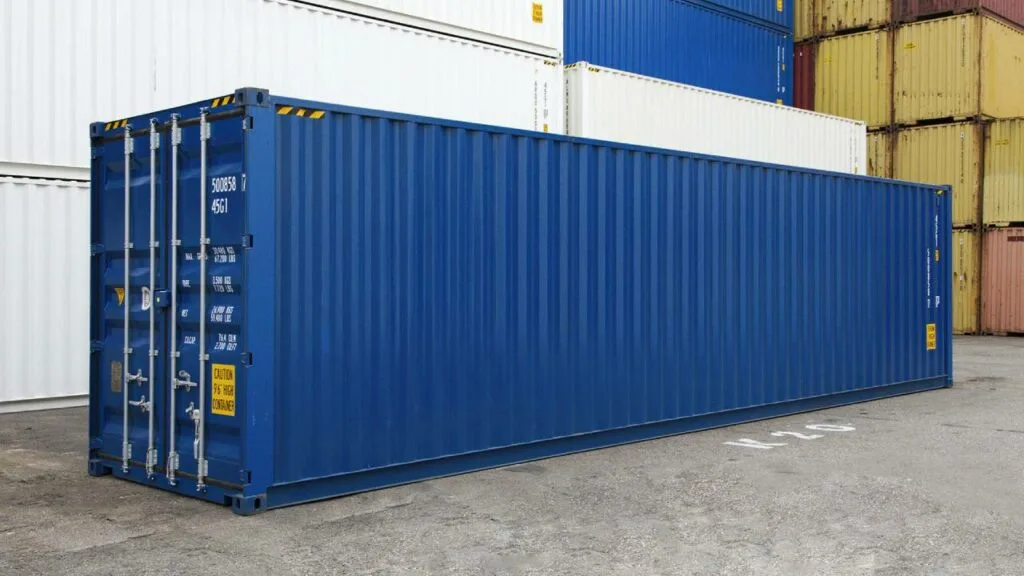
- General-purpose containers: the most widely used in the transport business. They come in different sizes, 10, 20, 30, 40, 45 and up to 53 ft long, to fit the requirements of each shipment.
- Insulated containers: they alter the atmosphere inside to transport products that require a constant temperature, such as live plants. They are built with insulating materials that keep outside heat or cold from getting in.
Every part of a container, whatever its purpose, matters, and so does its correct and constant maintenance. That is what guarantees good performance and prevents failures or problems during transit.
Preventive maintenance of refrigerated containers
Every container should be checked frequently and thoroughly, component by component. Refrigerated containers, with the most electrical parts, are the hardest to keep working properly.
Although temperature is key to the correct performance of reefer containers, it is not the only essential factor. To ensure correct transport and minimize contingencies, keep a few important details in mind:
Constant cleaning
Being meticulous here is imperative, because these containers carry goods intended for human consumption. They must be disinfected with chemical products and washed with pressurized water to remove dirt and any residue stuck to the container's steel panels. Cleaning the electrical parts is also important to avoid failures.
Checking and repairing components
Before loading, every element must be checked and the corresponding repairs made to ensure good performance during the trip. Those elements are:
- Compressor
- Evaporator
- Control panel
- Ventilation
- Interior walls
- Motors
Failure prevention
To ensure good maintenance, it is essential to keep a record of failures and incidents that previously occurred in the containers or any of their components. That record can be consulted during the trip to give a fast response and fix the issue if needed.
Improper use of the equipment
Although it is usually accidental, it is no less important: poor handling of components during inspection or during transit causes malfunctions that undo the previous maintenance.
Every container deteriorates progressively over its working life, so preventive maintenance that ensures perfect operation is fundamental. In the business of transporting supplies, taking this issue lightly leads to lost cargo and costly damage to the equipment.
 Need a container that is ready to work? See our inspected new and used units.