Shipping Container Conditions Explained: WWT, CW, IICL and As-Is
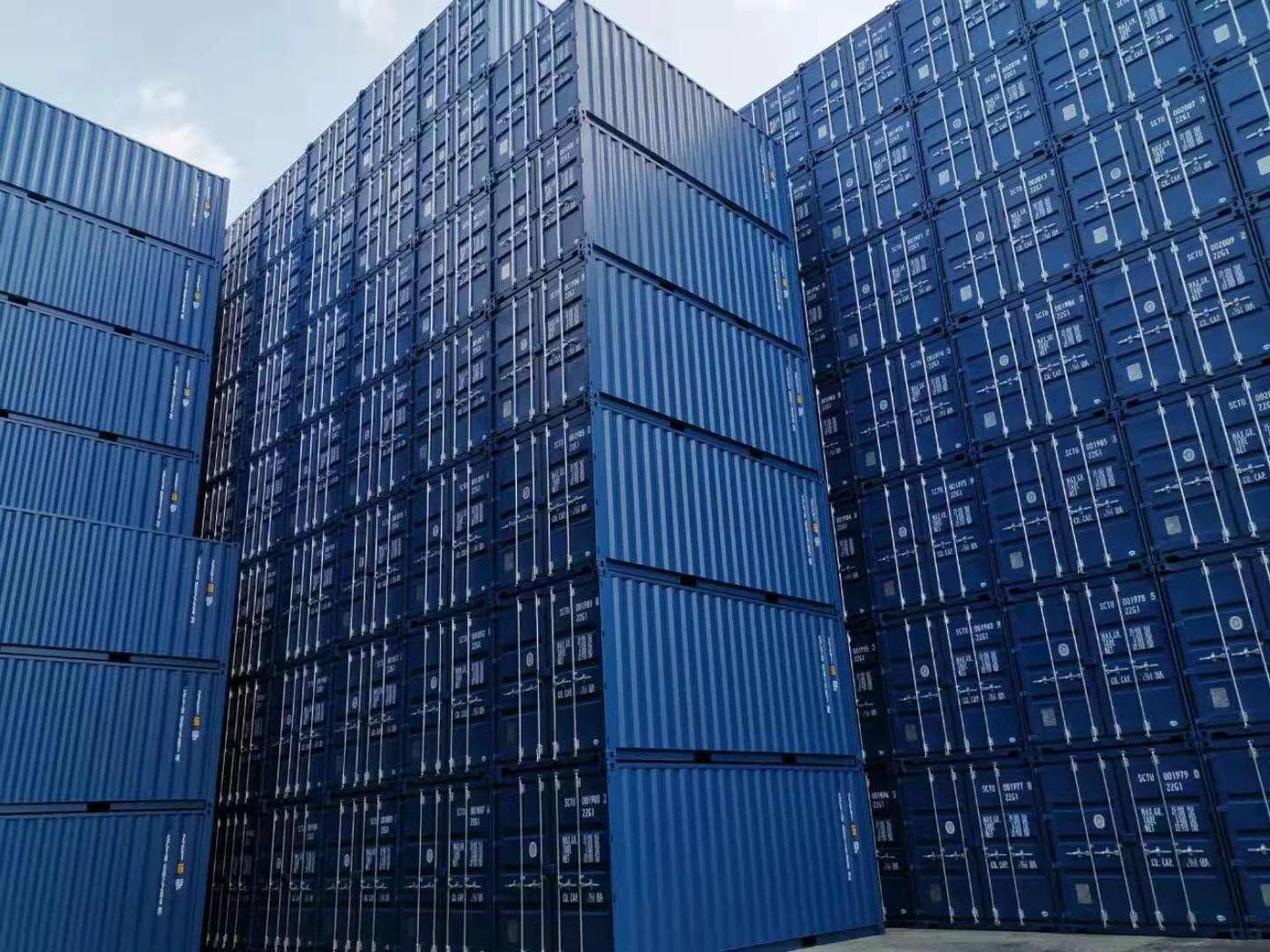
The condition of a shipping container changes over its life cycle, because, like everything else, it does not last forever. But how long can the same container keep carrying goods, and what conditions can a container be in? There is no universal grading system for shipping container condition, and the different abbreviations (WWT, CW, IICL and so on) cause plenty of confusion, but carriers grade containers by their structure and their appearance.
The two factors can be considered independently of each other. For example, a container can be structurally sound for shipping purposes but look unattractive because of rust, faded paint or many small dents. This means that, even though two companies may both grade their containers as A, B or C, the grades are not necessarily equivalent.
Some of the most popular uses of new and used shipping containers are workshops, homes, garages, cabins, off-grid living spaces, medical centers, information kiosks, tool sheds, home additions, home or work office space, guest houses, hotels and, of course, moving cargo.
When buying a container, it is wise to start by considering the past life of your prospective shipping container. Was it used to carry nuclear waste, biohazards, toxic chemicals or garbage? You may get a deal, but is that what you want? Other questions could be "How many trips has it made?" Shorter, more frequent trips mean more wear from loading and unloading. Or "Where did it travel most?" From sun-scorched Australian coasts to the deadly cold of the far north and south, constant swings between extreme temperatures can cause drastic damage such as rust and warping of the corrugated steel.
Different container conditions: the life cycle of a shipping container
China produces more than 90% of the world's shipping containers, which is definitely no coincidence. The export-oriented country not only has low-cost labor and is a major steel recycler; it also plays an important strategic role in the shipping container life cycle, with the aim of maximizing time in use. In most cases, new shipping containers manufactured in China are loaded and shipped to destinations such as the United States or Europe, where they are sold. These are the so-called "one-trip" containers, sold when they reach their destination. Sold as new containers, they only have minor flaws from that single use. This approach extends the life cycle by making sure the container is put to use from the date of manufacture and is not shipped empty at a high transport cost.
Once it reaches its destination, the one-trip container is sold and put to use by buyers, usually carriers, NVOCCs, shipping lines or similar. The container rarely stays with its first buyer for its whole life, since it is often resold several times. As long as the container is graded cargo worthy, resales usually happen several times, mainly business to business through networks or contacts.
The service life of a container varies, because it depends on many factors, such as where the container is used and how much damage it takes. Severe weather and minor damage, which encourage rust, noticeably shorten its life. As a rough generalization, containers are cargo worthy and used in ocean shipping for roughly 10 to 15 years. When containers are no longer considered fit for shipping cargo, innovative and creative people can buy them to reinvent them outside the industry. Alternatively, the container's steel can be recycled.
From food grade to as-is: an overview of the different container conditions
| New: "one-trip" container | Cargo Worthy | WWT | As-Is | |
|---|---|---|---|---|
| Wind and water tight | Yes, guaranteed | Yes, guaranteed | Yes, guaranteed | Not guaranteed |
| Floor free of holes | Yes, guaranteed | Yes, guaranteed | Yes, guaranteed | Not guaranteed |
| Fully working doors | Yes, guaranteed | Yes, guaranteed | Yes, guaranteed | Not guaranteed |
| Suitable for storage | Yes | Yes | Yes | With repairs |
| Suitable for export | Yes | Yes | Only with repairs | No |
| Suitable for modifications | Yes | Yes | Yes | Yes, with repairs |
| Paint | Fresh paint | Faded paint acceptable | Faded paint acceptable | Faded paint acceptable |
| Dents and scratches | Small dents and scratches acceptable | Some dents, repairs and surface rust acceptable | Many dents, repairs and surface rust acceptable | Significant dents acceptable |
| Floor appearance | Like new | Some scratches, dents and patches acceptable | Many scratches, dents and patches acceptable | Many scratches, gouges and patches acceptable, possible holes |
| The best condition available | Good condition, still meets all shipping requirements | Not ready to ship, but perfect for storage | No guarantees |
Food grade / New containers
Transporting food sets certain requirements for the shipping container, such as never having carried chemicals or toxic products. Even if the food is packed in bags or similar and is therefore not in direct contact with the container, it must travel in food-grade containers to avoid unnecessary contamination risks.
- Structural condition must be IICL 5 with a valid CSC plate
- Maximum interior cleanliness; scratches must not exceed 2 mm in depth
- Watertight, with no daylight visible from inside when the doors are closed
- Has never carried chemicals or toxic products
- Food-grade quality and import standards are governed mainly by governments
Grade A container
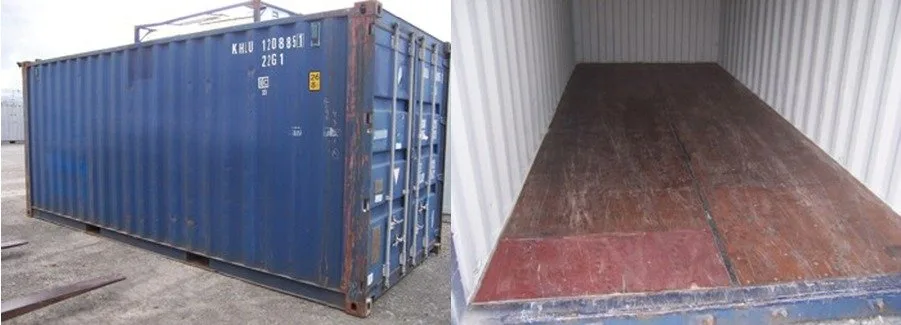
- New, refurbished or used containers
- Only minimal rust and dents
- Wind and water tight (WWT)
- Doors, floor and seals in excellent condition
- Structural condition must be IICL 5 with a valid CSC plate
- Interior must be nearly free of marks
- Minimal surface rust
Grade B (CW, Cargo Worthy)
Cargo Worthy, or CW for short, means the condition of the shipping container is considered suitable for carrying cargo under CSC criteria. Another criterion is that the container meets all the standards set out in its original specification. It usually also implies that the container has a valid CSC plate, the safety approval plate that containers used in international transport must carry.
- At least WWT or IICL 5 with a valid CSC plate
- Used containers fall into this category
- The interior will be at least 50% free of marks, with some scuffs or scrapes and light surface rust
- The floor will be stained or marked and may have minor delamination
- The exterior may have more frequent corrosion and dents
- The container may have a small number of previous repairs
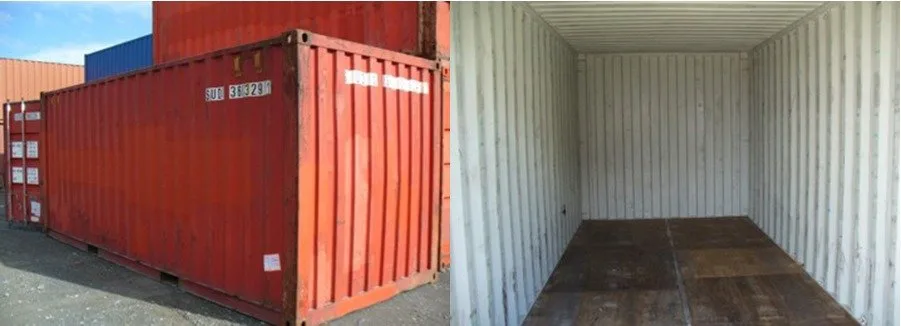
Grade C (WWT, Wind and Water Tight)
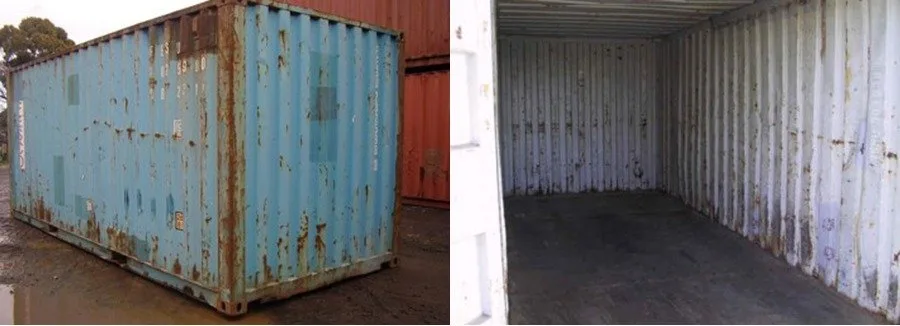
Wind and Water Tight, or WWT, means the container keeps out wind and water: it is sealed for storage, but it is not certified for international shipping unless it is repaired and inspected to CSC standards.
- Often called wind and water tight or cargo worthy 2
- Numerous marks, corrosion and scratches
- Marked floor, which may also have moderate delamination
- Several previous repairs
- The most common and the cheapest
- May show wear
- Frequently used as storage containers
- Can be used for shipping, but needs a valid CSC plate
As-Is container condition
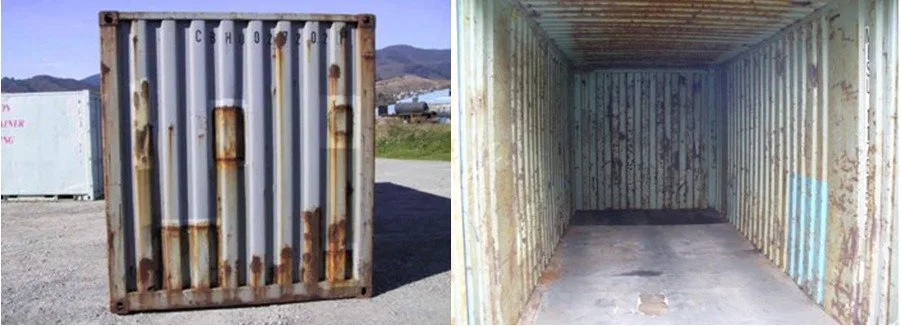
Damaged containers that have been taken out of service in the shipping industry and sometimes cannot even be used for storage. They may have major damage to the roof or walls, damaged floors, faulty seals, doors that are hard to open or structural damage.
 Every container we sell is graded (New, IICL, CW, WWT or As-Is). See our shipping containers and choose the right condition for your project.