International Container Transport for the Textile Industry

The textile industry is one of the largest in the world, and international transport is fundamental to its success and growth. Moving textile goods internationally in containers is one of the most common ways to carry merchandise from its point of origin to its final destination.
Below we discuss the different aspects of international container transport for the textile industry, from the types of containers used to reverse logistics and why it matters to the sector.
Types of containers used in textile transport
Containers are a fundamental part of international transport for the textile industry. Several types are available for textile products, but the most common are the following:
Dry containers
Dry containers are the most widely used in textile transport. They have a rigid structure and are designed to protect the cargo from the elements. They suit any textile product that does not need refrigeration.
Refrigerated containers
Refrigerated containers are needed when textile products must be kept at a specific temperature. These containers are equipped with a refrigeration system that holds a constant temperature throughout the journey. They are ideal for textiles such as wool, silk and other temperature-sensitive materials.
Bulk cargo containers
Bulk cargo containers are used to move large quantities of textile products. They are ideal for high-density fiber materials and for bulk textile goods such as curtains and sheets.
Regulations and documentation for international textile transport in containers
International container transport for the textile industry is subject to a series of regulations and documentation that make it work properly. Every country has its own rules and requirements for international transport, so it is essential to know and meet them.
International transport regulations may include laws on weight and dimensions, safety requirements and shipping documentation. Shipping documentation is essential for moving textile goods internationally in containers and avoids delays and problems in transit. It includes commercial invoices, certificates of origin, customs declarations and any other paperwork required by the country of origin and destination.
Cargo insurance is also essential. It protects the merchandise against loss, damage or theft during transport. Make sure the insurance coverage is enough to cover the full value of the cargo.
Packaging process for textile goods shipped in containers
The packaging process is essential to make sure the cargo reaches its destination in perfect condition. Proper packaging protects the cargo from the elements and prevents damage in transit. The process has three stages: preparing the cargo, loading and stowing the container, and securing the cargo.
Preparing the cargo means reviewing and readying the textile products for transport. Inspect the products for any damage or defect before packing and make sure they are packed correctly.
Loading and stowing means filling the container with the cargo and placing it correctly to ensure the weight is evenly distributed. Avoid overloading and make sure the cargo is evenly spread so it does not shift during transport.
Securing the cargo means fastening it inside the container so it does not move in transit. Straps, chains and other lashing devices are used to keep the cargo firmly held and protected during transport.
Cargo security and protection during international transport
Keeping cargo secure and protected during international transport is essential to avoid damage and loss. Security procedures include protecting the cargo against theft and preventing damage caused by environmental conditions such as humidity and temperature.
Temperature and humidity control is especially important for textile products sensitive to these factors. Refrigerated containers can control temperature, while moisture absorbers can keep humidity out of the container.
Cargo tracking is essential to keep the goods secure and protected during transport. It lets carriers and customers follow the cargo in real time and detect any problem that arises along the way. Choose a carrier that offers reliable cargo tracking to guarantee security and protection in transit.
Reverse logistics in international textile transport
Reverse logistics is essential in international container transport for the textile industry. It refers to managing the flow of products from their final destination back to their origin. In textiles, reverse logistics handles the return of products that were not sold or that customers sent back.
The reverse logistics process involves collecting and transporting returned or unsold textile products from their final destination back to their origin. It matters to the textile industry because it reduces waste and the costs associated with managing unsold products.
Benefits of reverse logistics in international textile transport
Reverse logistics brings several benefits to international container transport for textiles. One of the main ones is lower costs in managing unsold products. It also helps reduce waste and the environmental impact of the textile industry.
Reverse logistics can also improve the efficiency of textile transport. By allowing containers to be reused and cutting unnecessary shipments, it helps lower transport costs and improve the overall efficiency of the process.
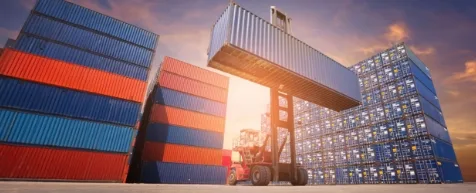 Need containers for your textile shipments? See our new and used shipping containers.