Critical Points of the Cold Chain
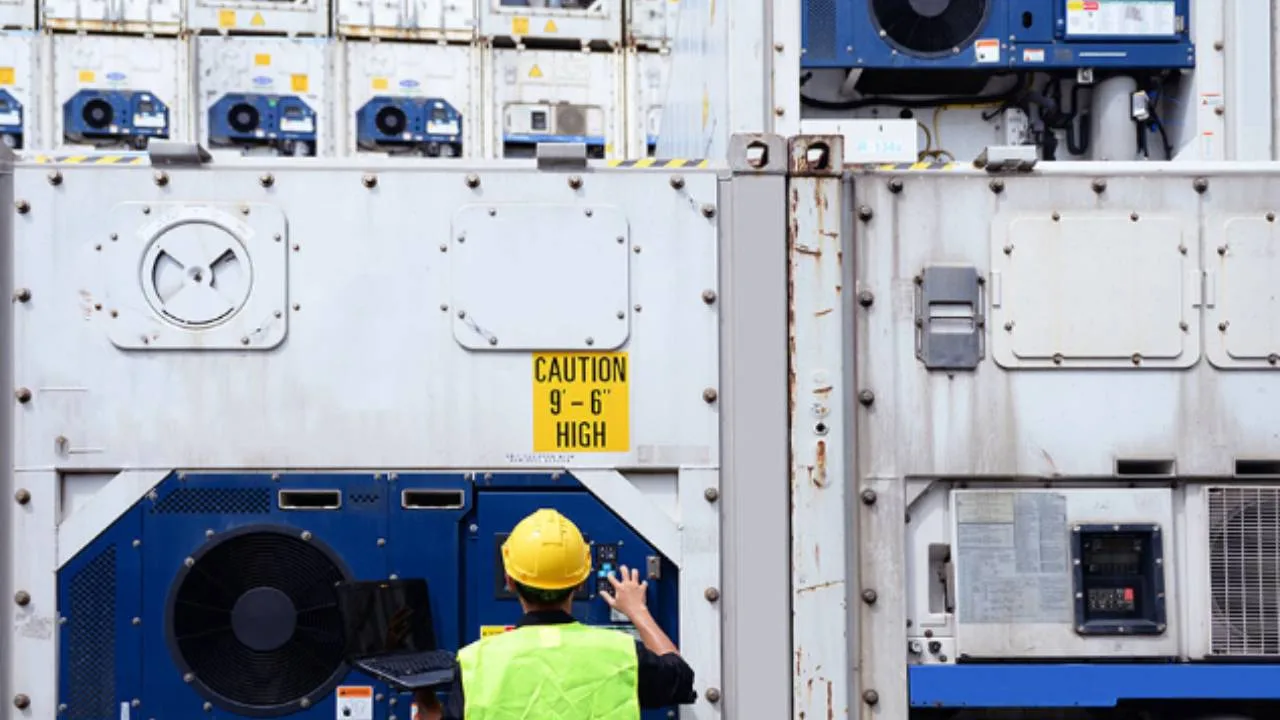
The logistics process for a perishable product requires special temperature conditions at each stage of the distribution system. A single failure in cold chain logistics can cause financial losses for the producer and lower food quality before it reaches the customer.
What is refrigerated cargo?
It is a temperature-controlled supply chain that keeps the quality of the goods throughout the whole process, from production to storage and on to distribution.
Its main goal is to maintain product quality by managing temperature properly, in order to preserve and extend the shelf life of the goods.
The cargo also requires other conditions to be monitored, such as humidity, air quality, carbon dioxide and oxygen levels.
This is how agricultural products, meat, seafood and frozen goods travel, along with other goods that need special conditions, such as chemicals, pharmaceutical supplies and photographic film.
Although the food industry is the biggest user of this type of transport, it is also necessary for moving medicines and chemicals in the pharmaceutical sector.
One example is the transport of vaccines that must be delivered to health centers in remote places, in temperatures that would quickly damage these biologicals without the right conditions.
The process works with a quality management system that checks the temperature data at each stage and records it on labels so it can be verified at any time.
These goods are always on their way to the end consumer, even while they sit in cold rooms, and they are called "cargo" in the transport system until they reach the customer.
Critical points of refrigerated cargo
There are many risks in transporting these goods, and mistakes in the supply chain can cause big losses. That is why you must pay special attention to these points:
From the production point to the packing point
This is one of the key points, because it is where the product is harvested and taken to the centers where it is packed before distribution.
It is important to look after the goods very carefully, because damage to the product on this leg is hard to recover from.
From the packing point to the distribution centers
This stage is in the hands of the carrier, who defines the vehicles and the technology needed to take the cargo to the centers from which the product will later be distributed.
Keep in mind that the product cannot be allowed to lose its temperature at this point, because that can alter the quality of the goods.
From the distribution center to the points of sale
It is key to keep a temperature log at every stage of the process, both at distribution centers and at points of sale.
Retailers must have the equipment needed to store the goods and hold their temperature until consumption.
Transport
Every part of the logistics chain needs suitable vehicles in good condition to hold the right refrigeration temperature without the constant movement affecting the product.
Tons of food are wasted every day, and according to the UN, 17% of all food ends up in the bins of restaurants, retailers and households.
Good handling of refrigerated cargo in the world's supply chains ensures that food and medicine get where they need to go in perfect condition.
Exporting demands more resources from the producer, and specific knowledge in the field is needed to guarantee cargo conditions. That is why we recommend working with experts in transporting frozen or refrigerated goods.
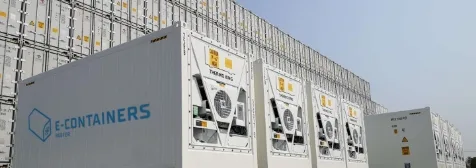 Keep the cold chain unbroken with an Econtainers reefer. See our refrigerated containers.