Container Return: What It Means and How to Do It Right
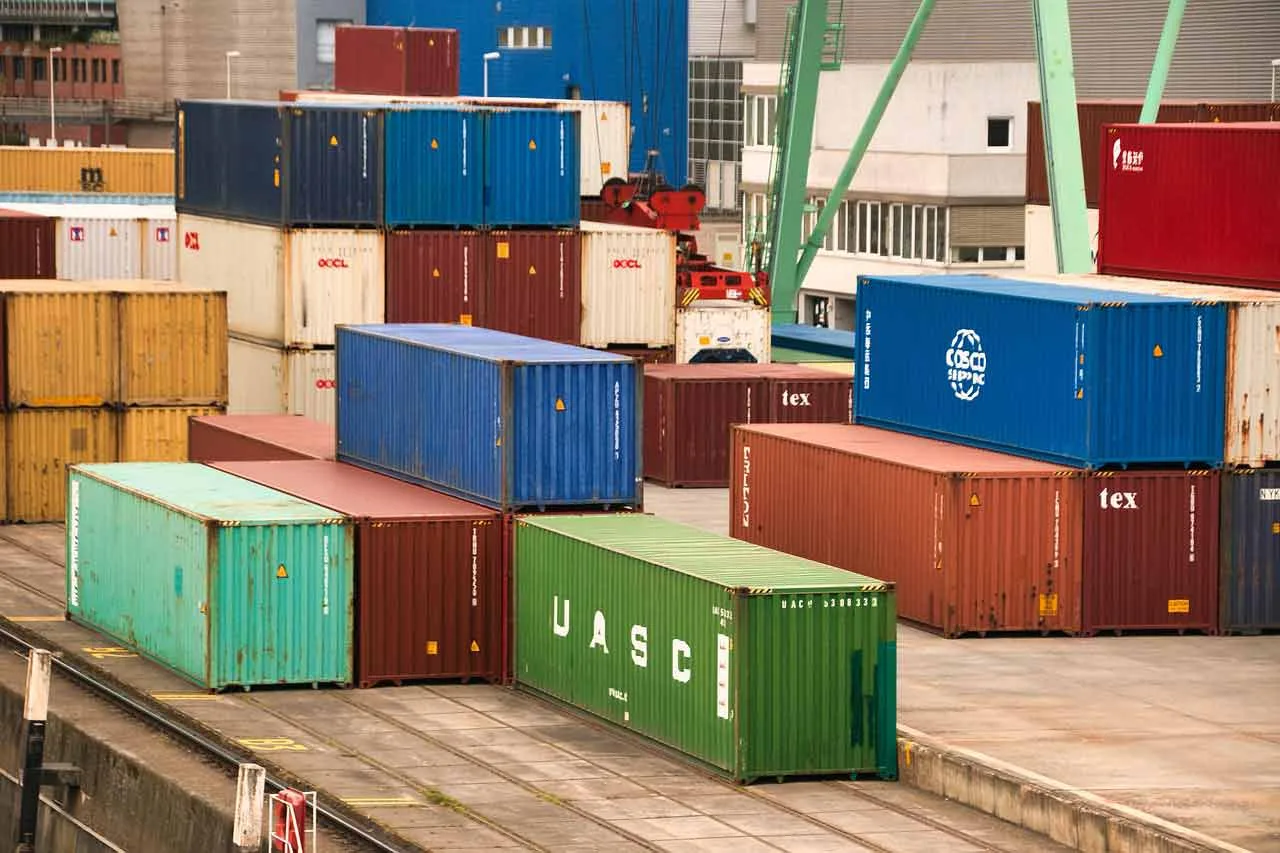
Container return is the delivery of the container, empty and clean, at the place the shipping line designates, a port terminal or an authorized depot, within the agreed deadline. It is a mandatory step, not an optional one: the container does not belong to the importer or the exporter. It is the shipping line's equipment, lent to move the cargo, and returning it late or damaged generates charges that tend to surprise anyone who did not budget for them.
Those charges have names: demurrage and detention. They are different things, charged for different reasons, and they can accumulate at the same time. Understanding the difference is what separates a clean operation from an unexpected invoice.
What is free time?
Free time is the number of days you can use the container without incurring charges. It starts counting from the vessel's discharge (the exact moment depends on what was agreed) and runs out on its own. It is not a general right: it is a commercial condition set by each shipping line, and it varies by port, container type, contract and season.
Three points that are almost never read in time:
- Demurrage free time and detention free time can be different and can run at different moments.
- It is usually counted in calendar days, not business days: weekends and holidays count.
- Special containers, in particular reefers, open tops and flat racks, usually get fewer free days than a standard dry container, because the equipment is scarcer and more expensive.
Demurrage vs. detention
The difference comes down to a single question: where is the container? If it is inside the terminal, it is called demurrage. If it has already left the terminal, it is called detention.
| Item | Demurrage | Detention |
|---|---|---|
| Where the container is | Inside the port terminal | Outside the terminal, in the hands of the importer or exporter |
| What is being charged | The full container occupying the yard beyond free time | The shipping line's equipment being held and unavailable for reuse |
| When it starts running | From vessel discharge until the container is picked up | From pickup at the terminal until the empty is returned |
| Typical causes | Customs release pending, inspections, incomplete documents, unpaid freight | Delay in unloading the goods, saturated warehouse, no appointment at the depot |
| Who sets it | The shipping line, in its tariff | The shipping line, in its tariff |
An important detail: the port terminal can also charge, on its own account, for storage of the container in the yard. That charge belongs to the terminal, not the shipping line, and is independent of demurrage. You can end up paying both for the same day.
We do not publish rates, and be wary of anyone who does so in the abstract. Demurrage and detention rates are set by each shipping line in its tariff and depend on the port, the container type and size, the negotiated contract and the day bracket: they are almost always tiered, meaning the daily rate rises as the days go by. Ask your freight forwarder for the tariff that applies to your shipment before the vessel arrives, not after.
Where it is returned: port terminal or authorized depot
The shipping line decides the return point and communicates it in the release instructions. It is not a minor detail: it changes the distance, the transport cost and the risk of missing the window.
- Port terminal. The container is returned inside the port's primary customs zone. It usually requires an appointment and strict hours, and in congested seasons getting in can take hours.
- Empty container depot. An authorized facility, normally outside the port, where the shipping line concentrates, inspects and repairs its equipment. It tends to be quicker, but it may be far from the unloading point, which adds trucking.
In many countries the movement of empty containers is under customs control. In Colombia, for example, authorized depots are places approved by the customs authority (DIAN) for storing goods under customs control, according to the Customs Statute (Decree 1165 of 2019). That is why you cannot leave the container wherever you like: it must be delivered at the designated site and recorded.
Steps to return a container without extra costs
- Check the conditions before picking it up. Ask in writing for the free days for demurrage and detention, the applicable tariff and the planned return point.
- Inspect the container when you receive it. Any prior damage must be noted on the interchange document. Whatever is not recorded at delivery will be attributed to you at return.
- Move the customs process forward. Most demurrage is generated waiting for customs release. Complete, early documentation is the most cost-effective measure in this whole process.
- Schedule the unloading. Have the dock, staff and equipment ready the day the container arrives; do not leave it parked in your yard.
- Return it empty and clean. No residue, no pallets, no old labels or seals. A dirty container can be rejected, and that rejection keeps adding detention days.
- Ask for and file the return receipt. It is your proof of the exact date and time the equipment went back to the shipping line, and that is what closes the count.
What to do if the container is returned damaged
The key document is the EIR (Equipment Interchange Receipt). It is issued every time responsibility for the container changes hands, and it records the condition of the equipment at that moment: container number, date, time and observed damage.
The practical rule is simple: damage that appears on the return EIR but not on the delivery EIR is attributed to whoever had the container in between. That is why the pickup EIR is as important as the return EIR. If you receive a dented container, with doors that do not close or a punctured floor, insist that it be written down, take dated photos and, if the damage compromises the cargo, reject it.
If the damage did occur during your operation, the shipping line quotes the repair and passes it on to the responsible party. The amount depends on the type of damage and the component affected, and in refrigerated equipment it escalates quickly because it involves the cooling unit. Check whether your transport policy or the trucker's policy covers damage to equipment: coverage often exists and nobody claims it.
Frequently asked questions
What is the difference between demurrage and detention?
Demurrage is charged while the container stays inside the terminal beyond free time; detention is charged when the container has already left the terminal and is not returned empty on time. The question that settles it is where the container physically is.
How many free days do I have to return the container?
There is no universal number. Each shipping line sets it, and it varies by port, container type and contract. Special containers usually get fewer days than dry ones. Request the figure in writing before the vessel arrives.
Who sets demurrage and detention rates?
The shipping line, through its published tariff. They are usually tiered by day brackets and increase as time passes. The terminal, for its part, may charge separately for storing the container in the yard.
Can I return the container somewhere other than the designated place?
Only if the shipping line authorizes it beforehand. The return point is part of the shipment conditions, and empty containers are often under customs control. Returning on your own to another site can lead to rejection, extra charges and registration problems.
What happens if I return the container dirty or with residue?
The depot can refuse to receive it or accept it and charge for cleaning. As long as the container is not formally received, the detention count keeps running, so a rejection for cleanliness ends up costing double.
If you would rather not deal with return deadlines at all, owning your container removes demurrage and detention from the equation entirely.
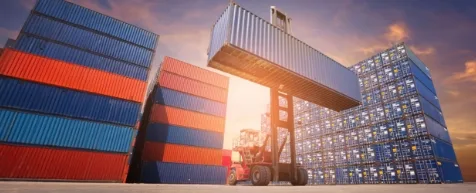 No free-time clock on a container you own. See our new and used shipping containers.